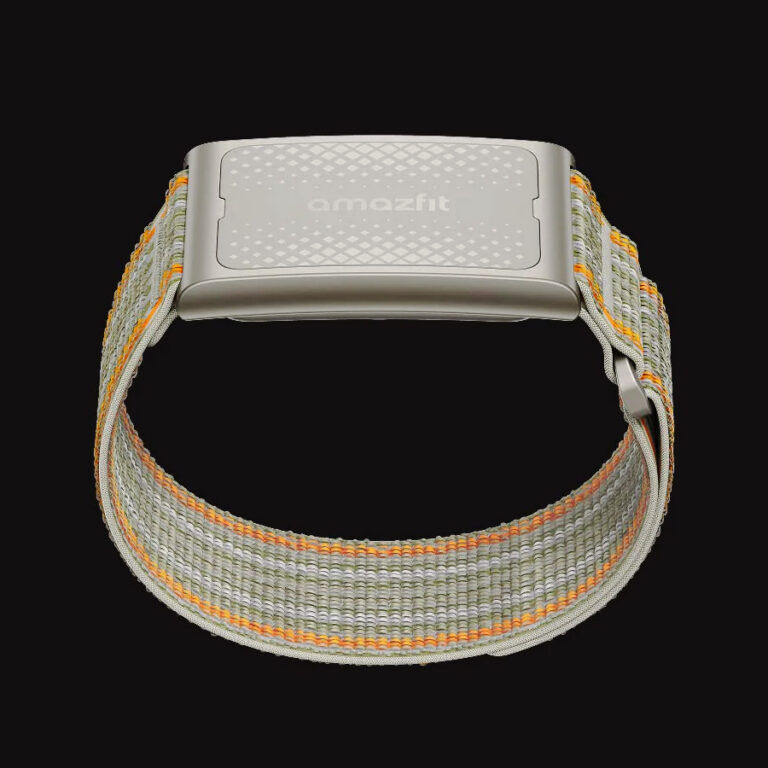
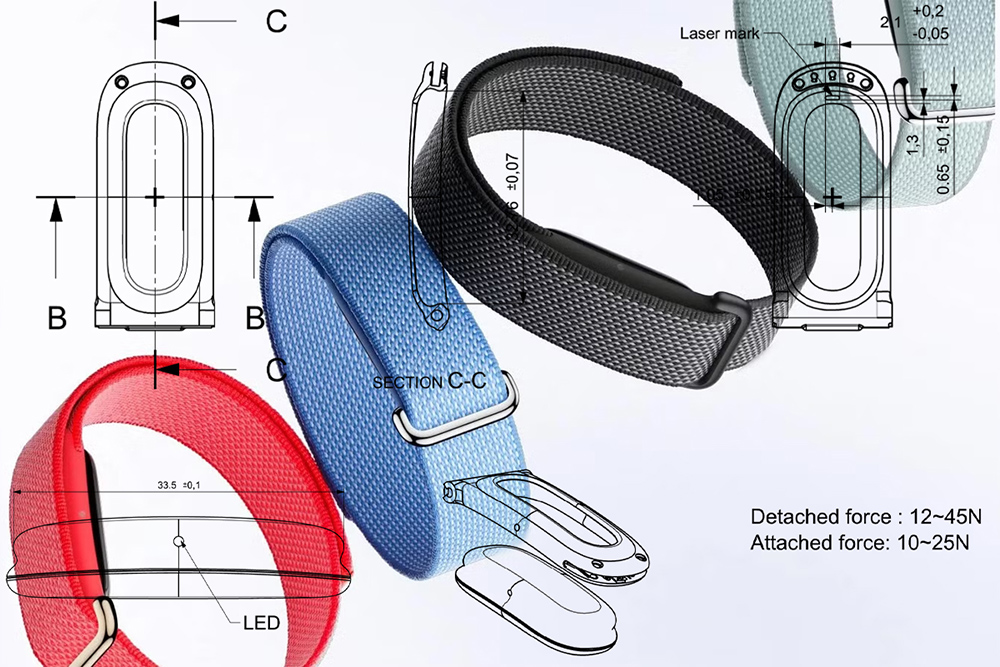
Google is going an extra step to ensure that its newly-released Fitbit Air fitness tracker is as customizable as possible and released the specification drawings for the tracker for third party accessory makers on Wednesday.
The specs will allow companies to easily create bands using the exact dimensions so that the small puck-style device housing the sensors can be inserted in the band properly, be comfortable and maintain constant skin contact.
“We know that your personal style is entirely unique – and in just a few short days, this community has already come up with innovative and creative new ideas to make the Fitbit Air your own,” the company said. “With a versatile, easy to swap design – we want to embrace this creativity, and make sure you have access to a vibrant selection of accessories for every use case, and to express your personal flair.”
Google has also reminded manufacturers that they should be mindful about using material that will not irritate the skin or trigger allergies.
There are five distinct technical points that developers must abide by for its accessories under Google’s “tracker architecture” that include clearance for the sensor, allowing the sensor to keep contact pressure for best performance, a secured enclosure to hold the tracker in place, meet regulatory compliance and use standard testing procedures for the bands.
All homogeneous materials in the accessories also need to comply with standards that restrict the use of several chemicals or fall within an allowable amount of certain metals.
Beryllium, halogen, PVC and lead are not allowed along with brominated or chlorinated flame retardants and bands produced in China have to conform to Chinese National VOC standards.
An official accessory certification process has been created that shows consumers that any third party bands meet’s Google’s performance standards.
The Fitbit Air was unveiled last month for $99 and enters a crowded tracker arena that includes established brands like Whoop and Polar but is Google’s move into establishing a slate of devices under its deeper ambitions into health and fitness. The device does not have a subscription and its lower price makes it an attractive entry point that rides on Fitbit’s name recogition.
Google acquired Fitbit in 2019 for $2.1 billion but the deal closed in 2021 after facing steep regulatory hurdles and questions over data privacy concerns during an antitrust probe into the technology company at the time.