While overt whispers of the silent eulogy of a community in transformation persist, community remains a constant. Encroaching forces of gentrification and the loss of local soul seem evident — and change is expectant.
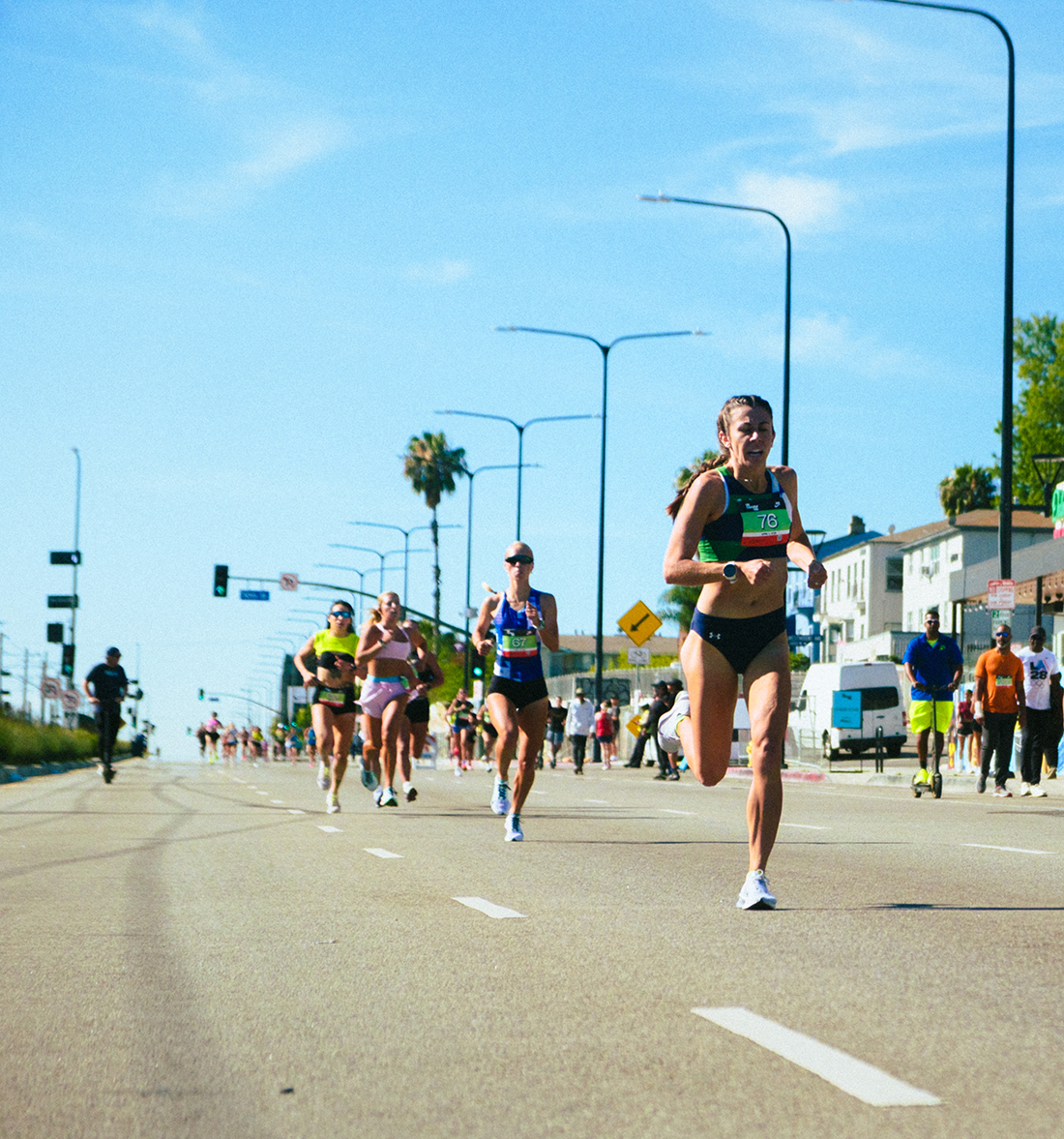
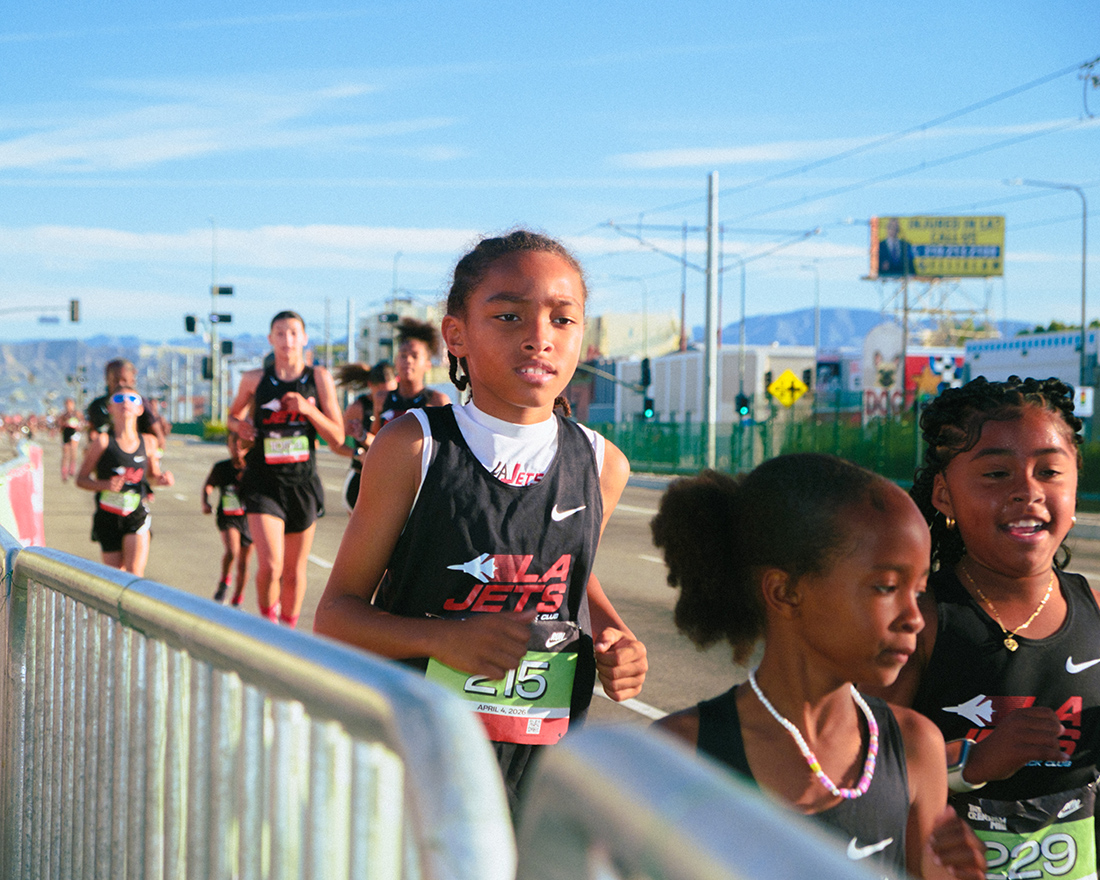
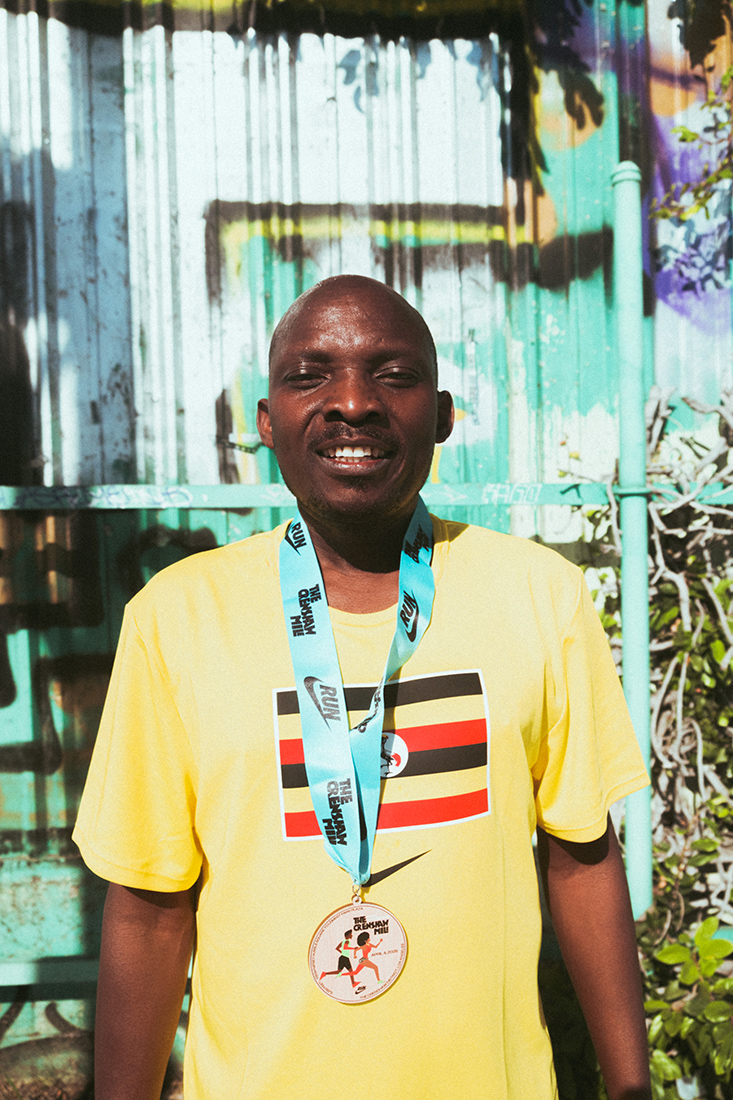
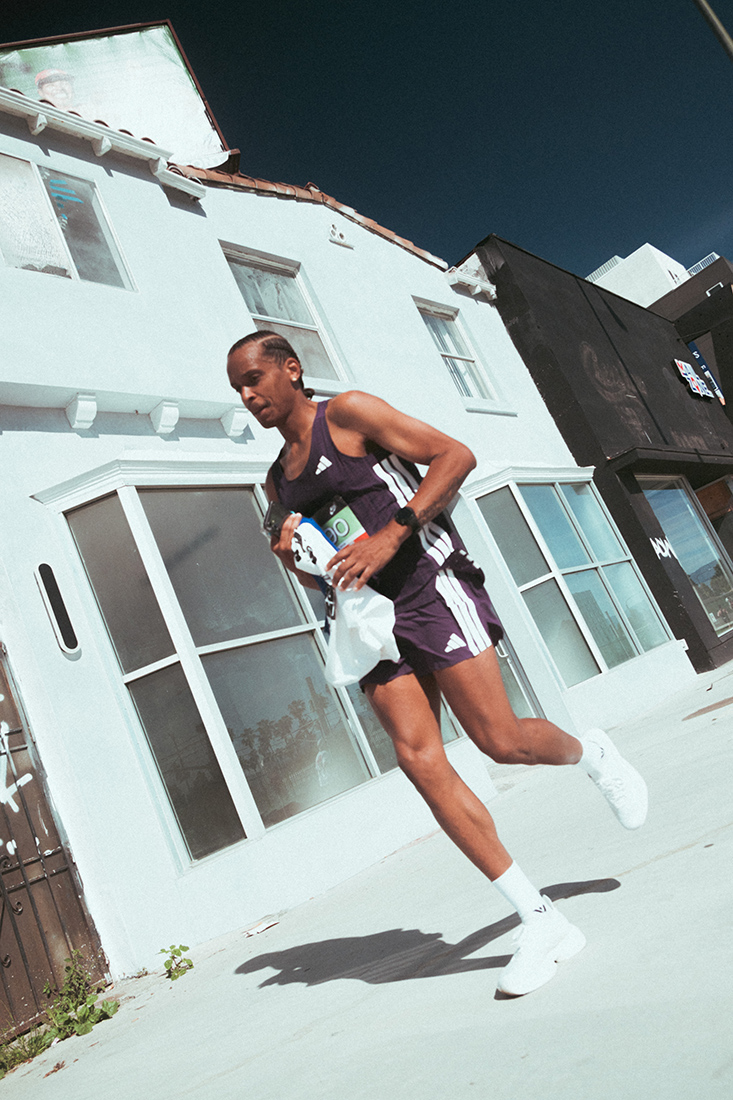
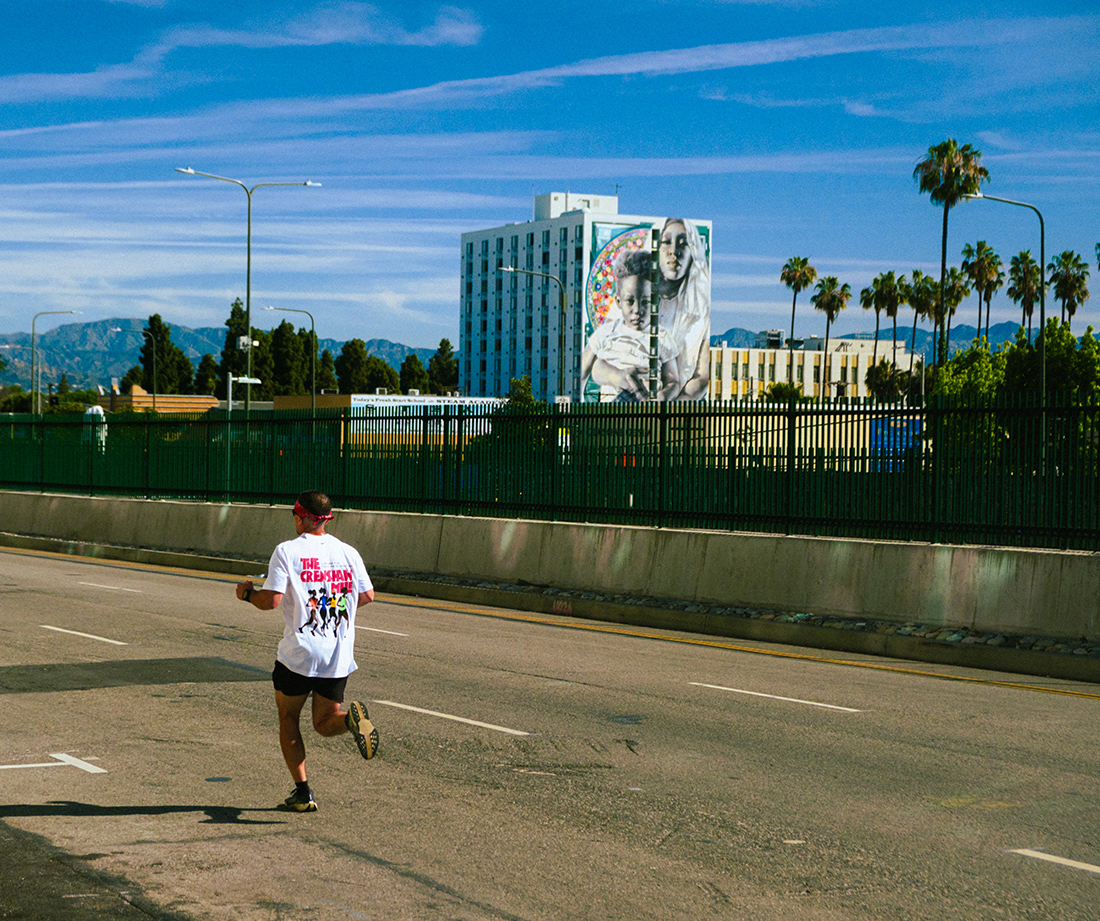
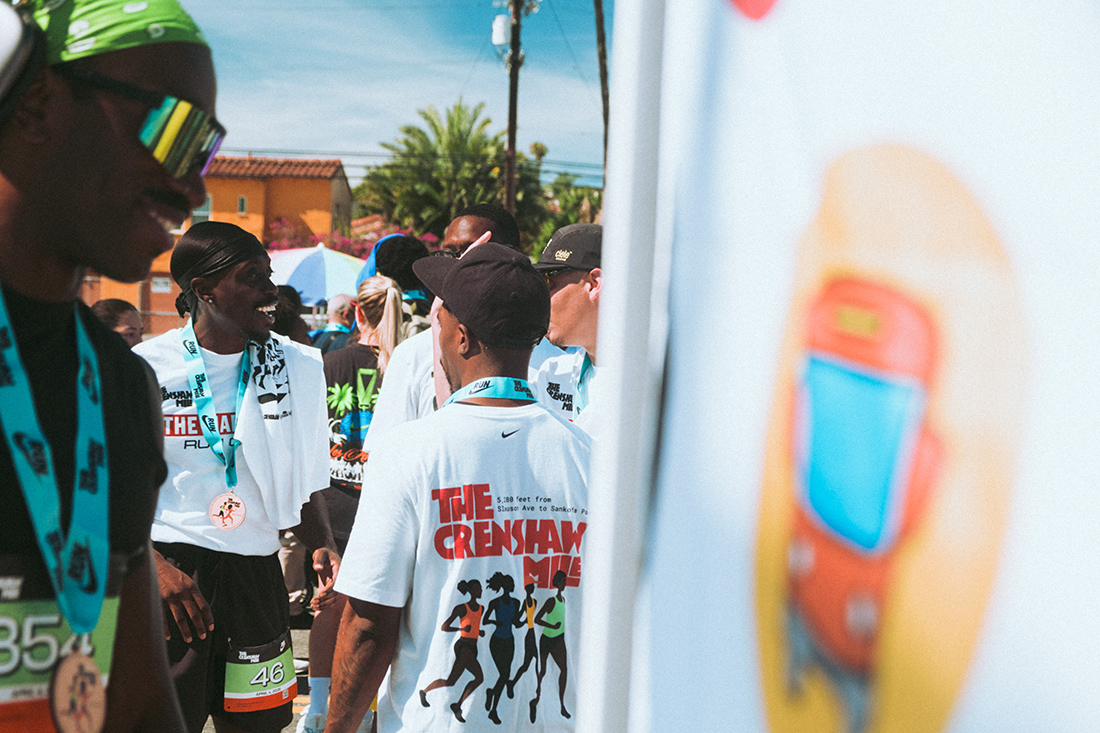
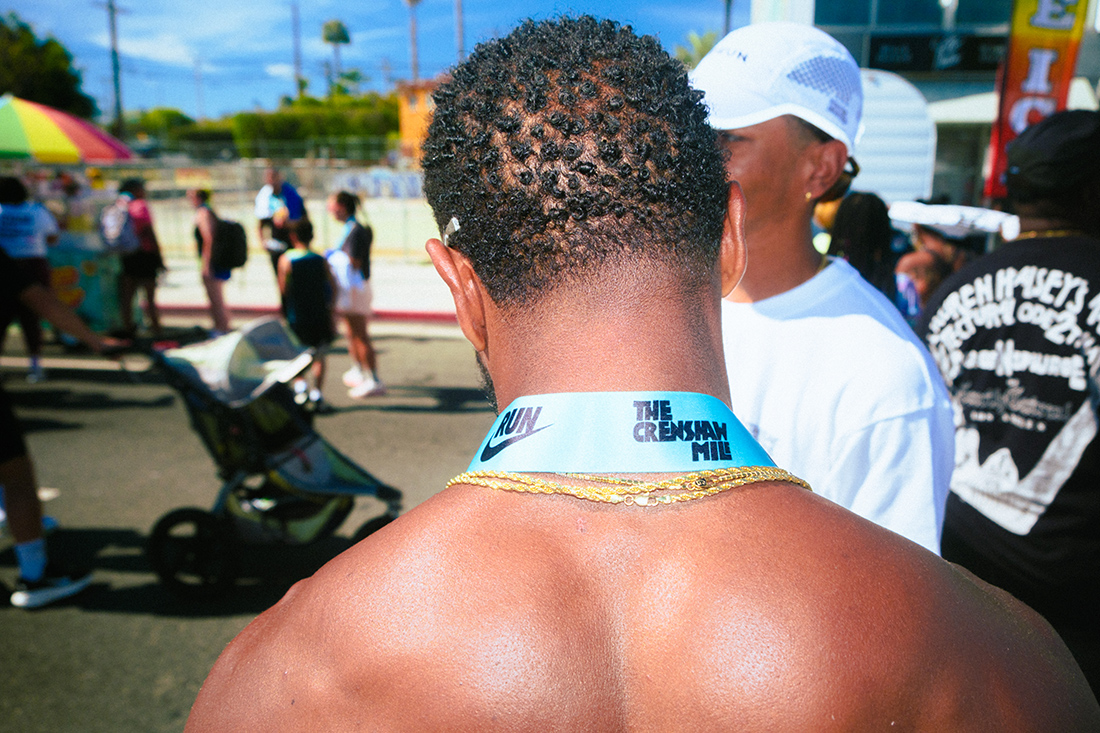
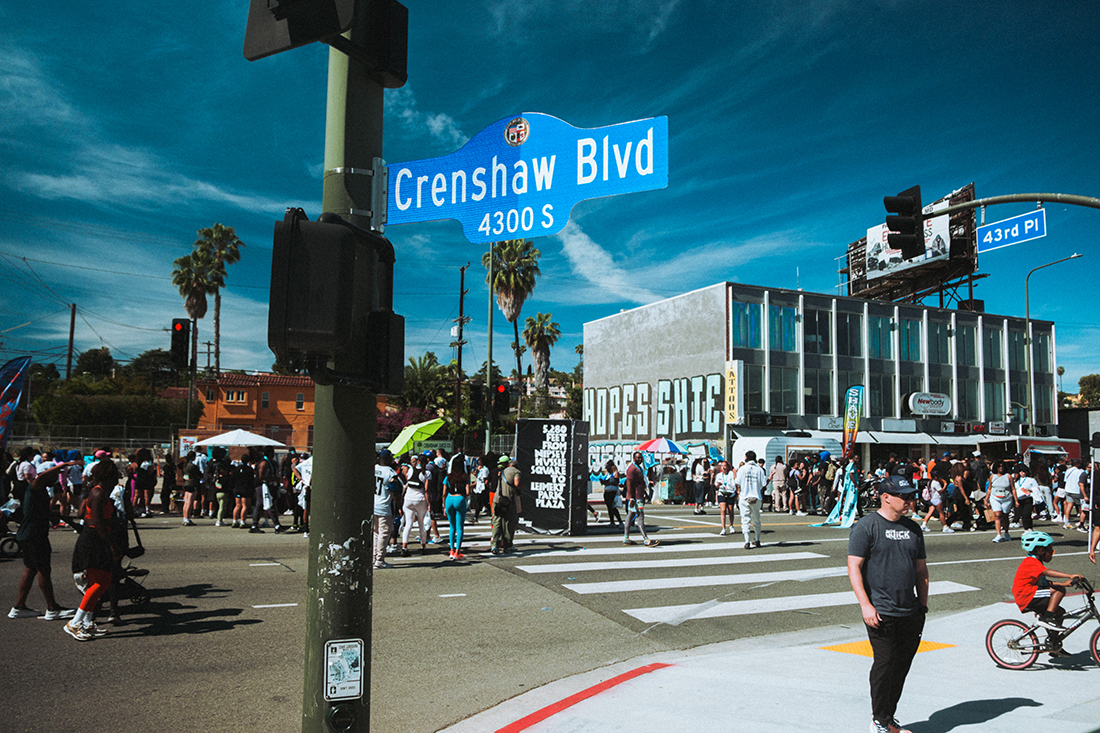
But on the pavement of the historic Crenshaw District in Los Angeles, a different kind of movement is taking root. Ahead of the distant lights of the 2028 Olympics, The Crenshaw Mile returned for a second tour last weekend, establishing a new legacy of performance running near the soil that nurtured John Singleton's cinematic grit, Nipsey Hussle's entrepreneurial blueprint and jazz legends of Leimert Park.
It serves as a lens of peering into what it means to move through a city.
But it's also part commentary that has been broadcast in places like London, where run crews took what began as a small group meetings after work into a force at the intersection of running, music and Black British culture.
New York City saw its own run awaken reborn and transferred through generations, where crews reclaimed bridges, boroughs and public space — turning the city itself into a canvas for movement and connection.
Meanwhile, Paris, Johannesburg, in Tokyo and in different languages, the different goals have the same underlying shift: running as a tool for authorship.
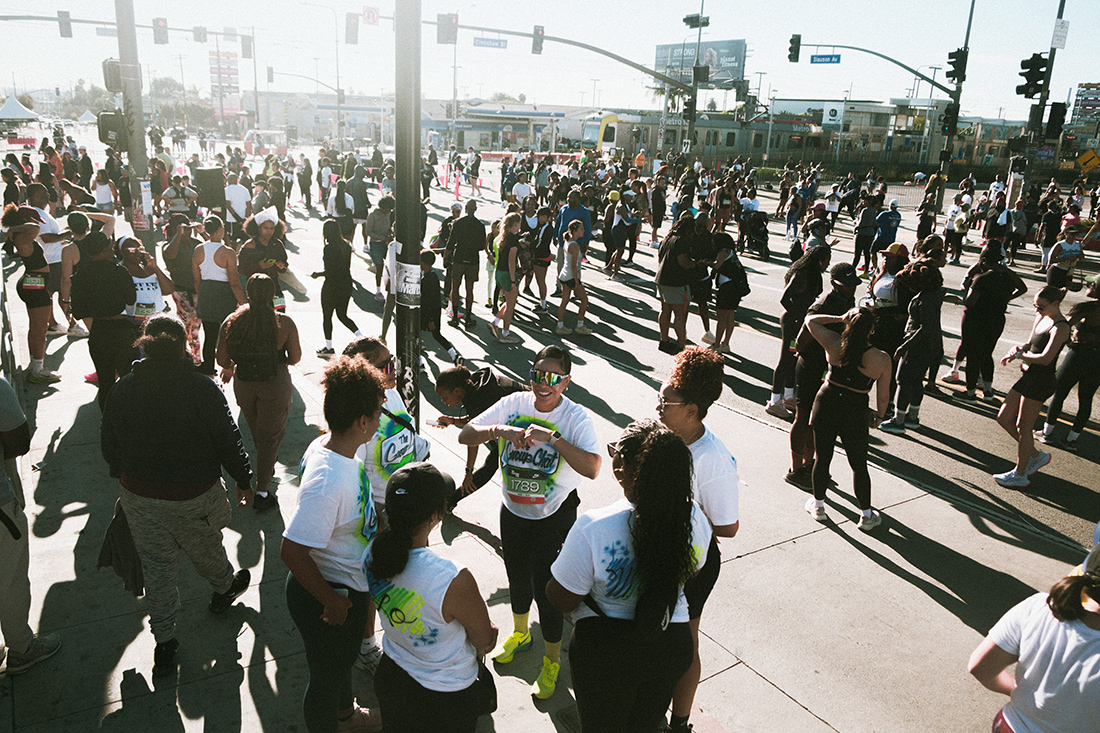
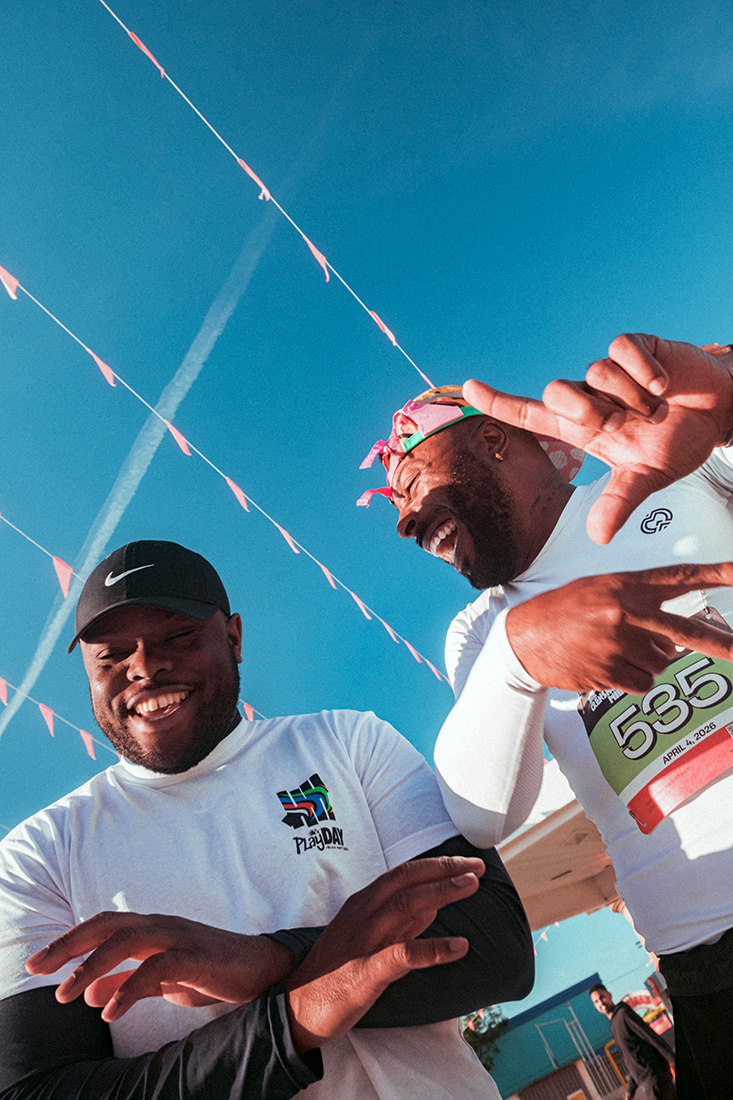
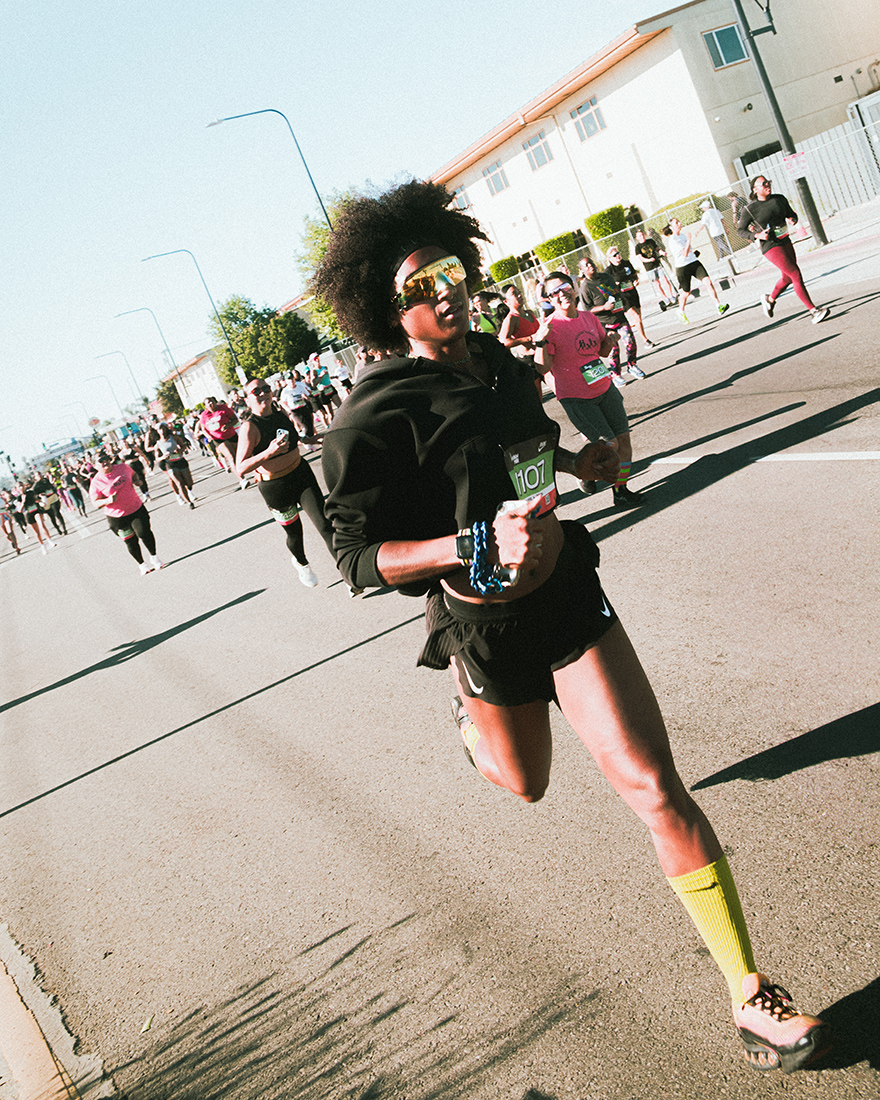
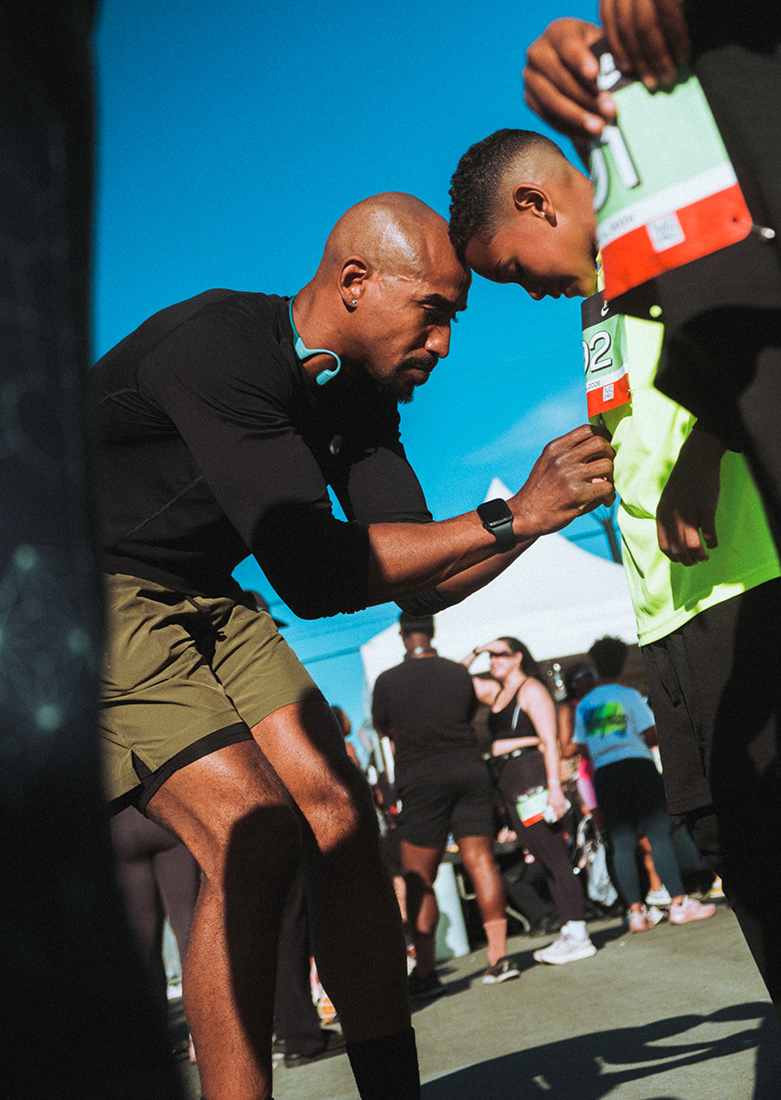
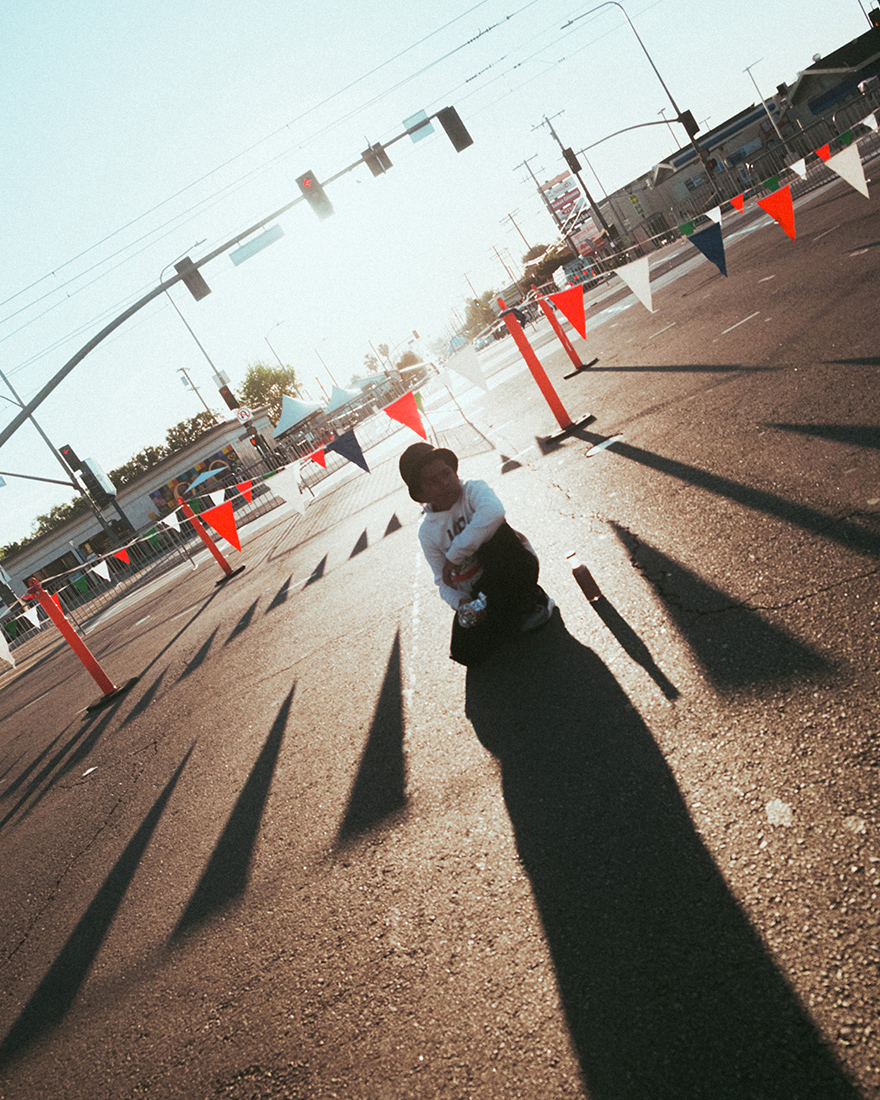
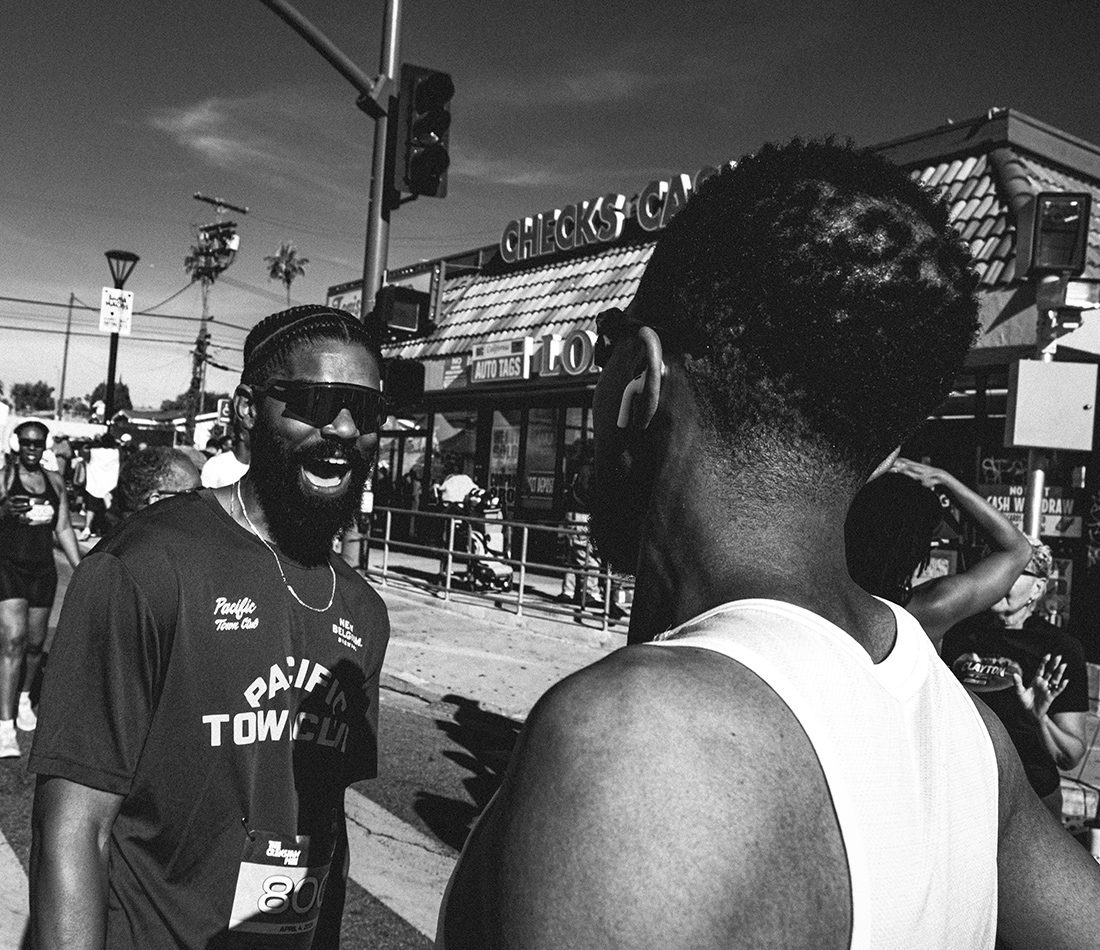
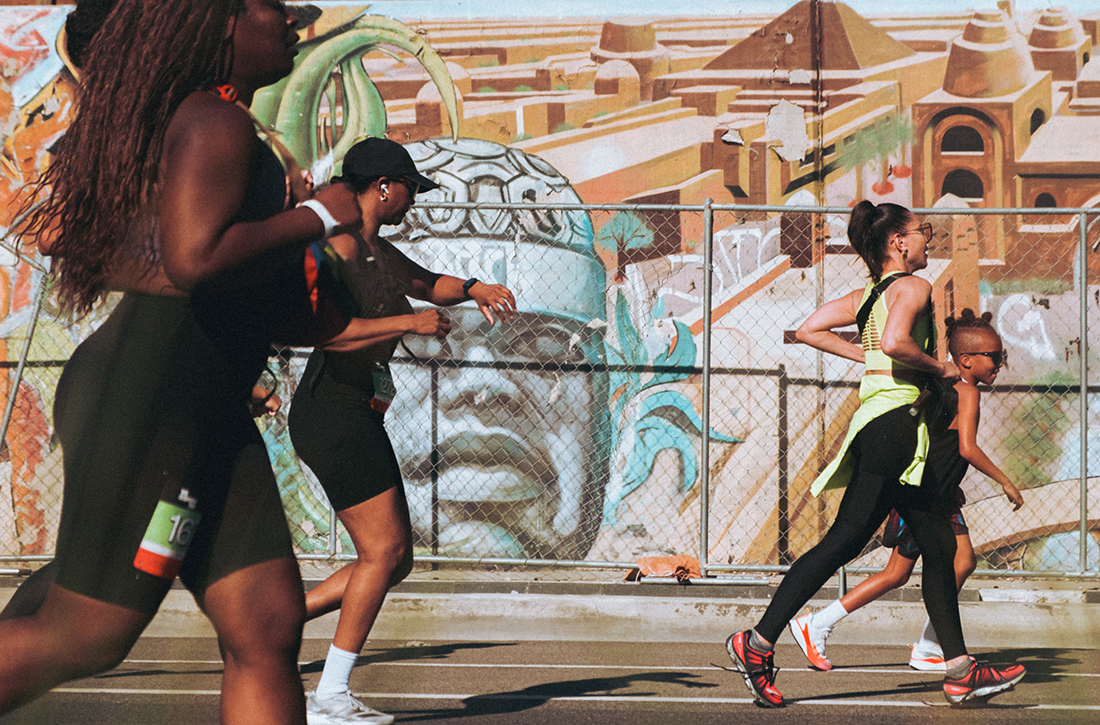
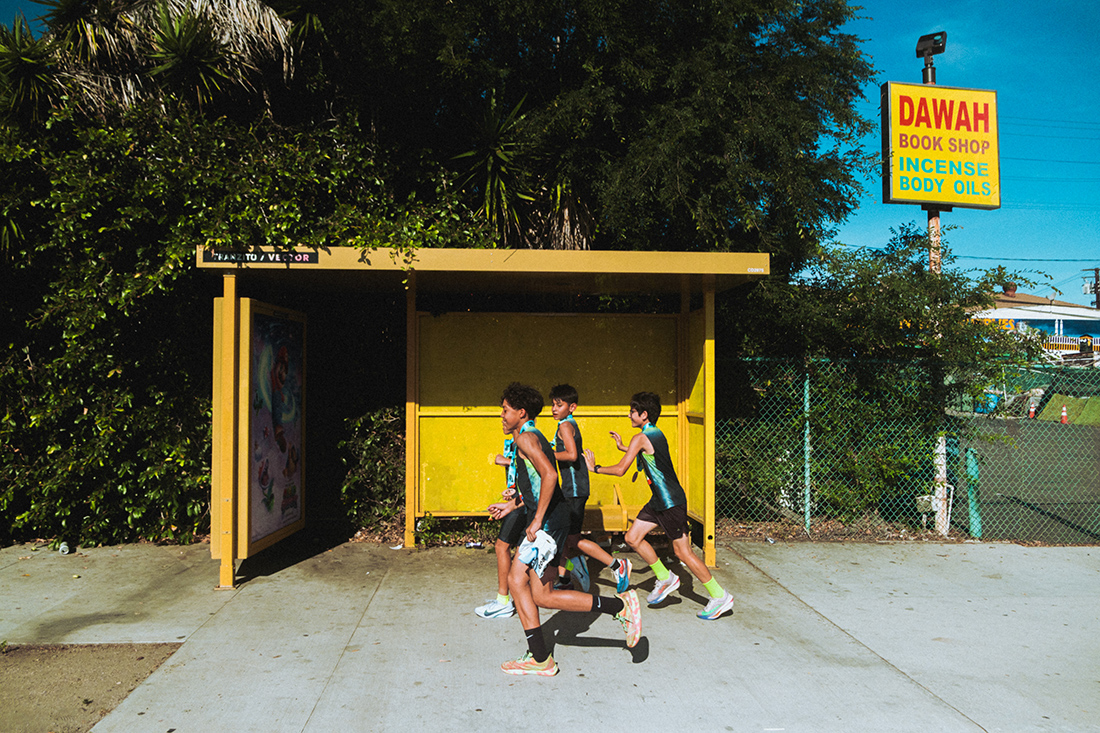
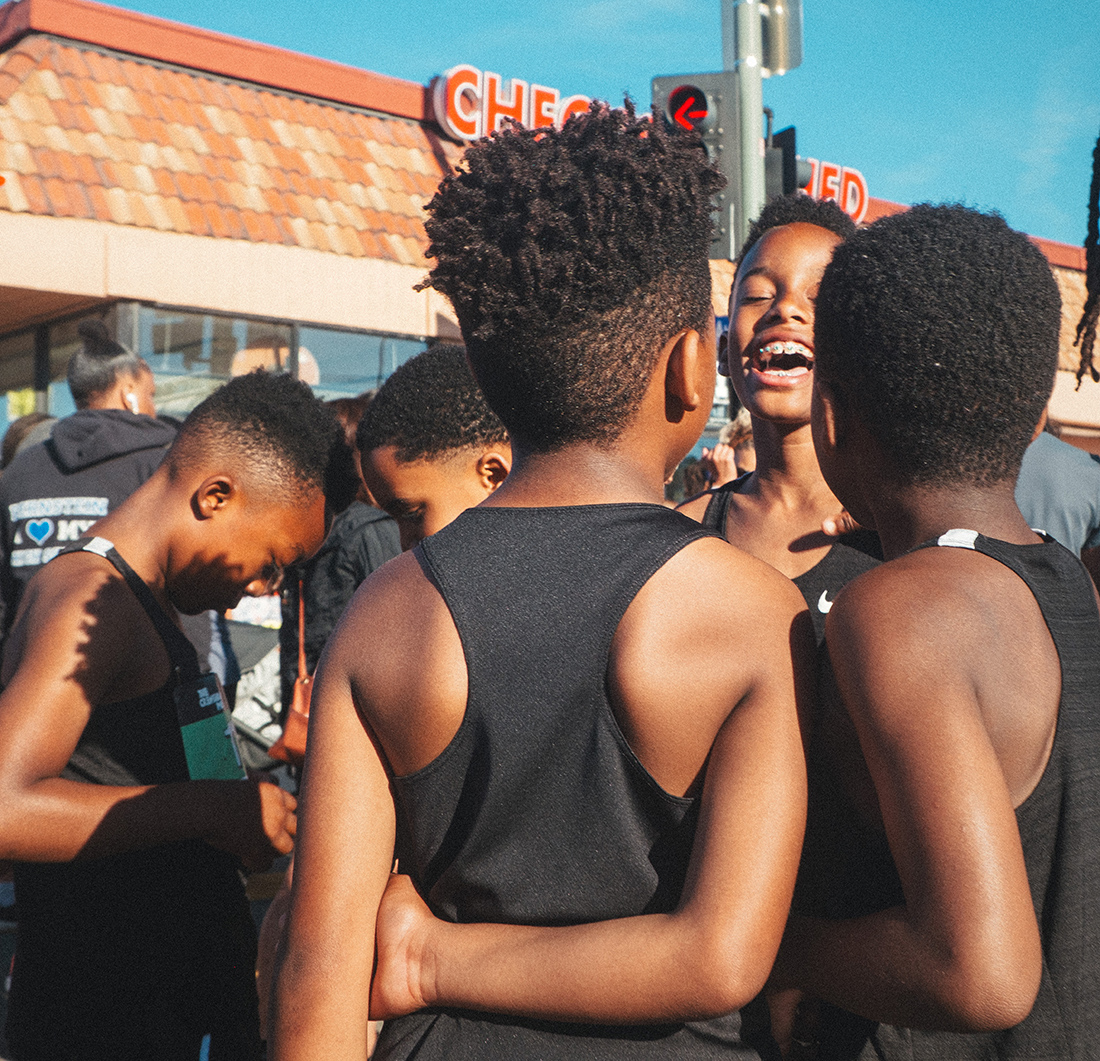
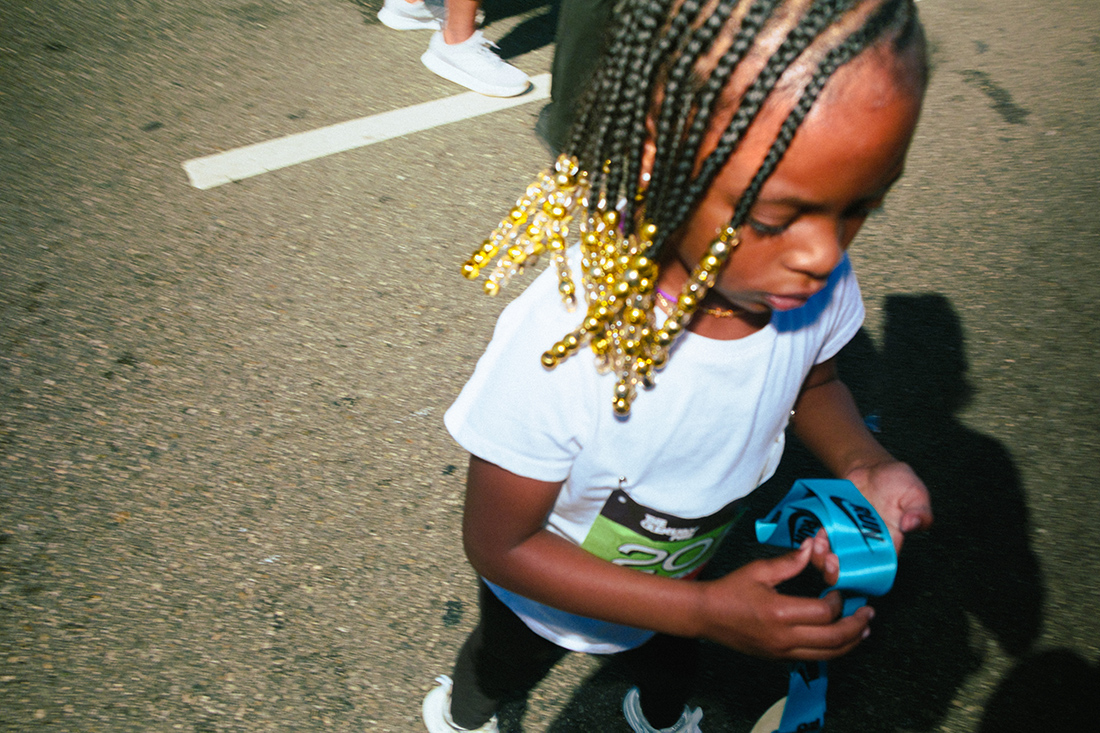
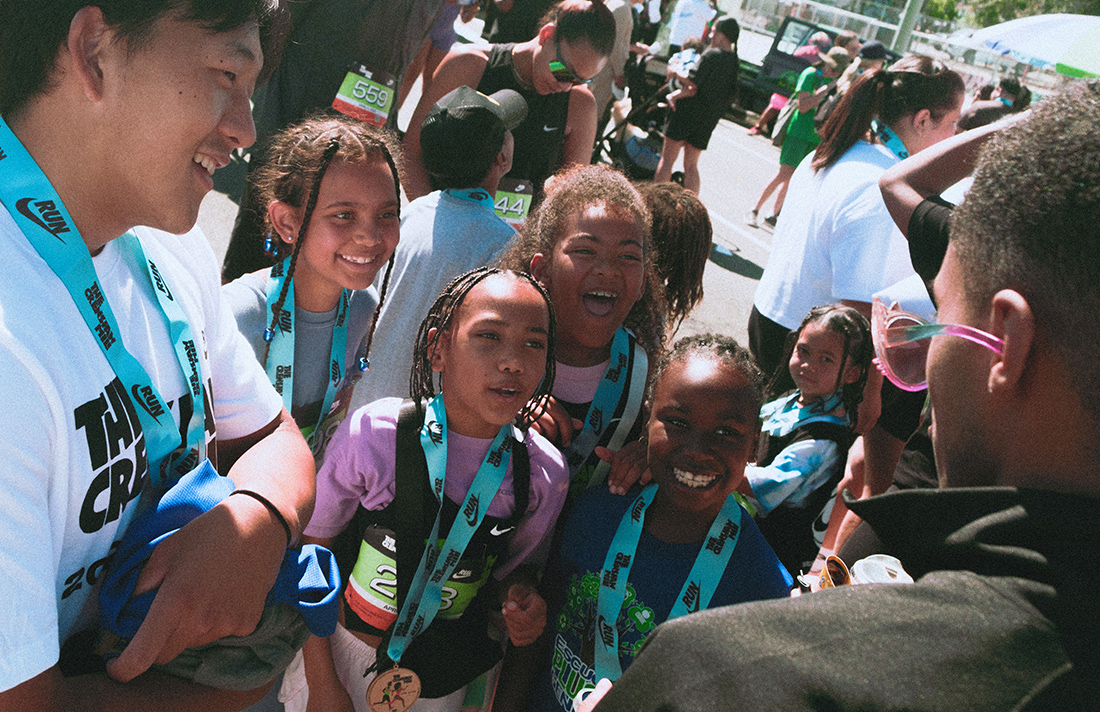
On race day back in L.A., music spilled into the street folding into the rhythm of footsteps striking pavement. Runners gathered in clusters, stretching, laughing, some were lacing up for the first time. The route inched past restaurants, bookstores and front porches where neighbors watched it unfold. The district endures, remains and has a means of getting faster.