The apex of a long track and field season culminated in the spectacle of September’s world championships in Tokyo. A month later, World Athletics announced its nominees for track, field and out of stadium athletes of the year.
The list predictably read like a who’s who of the sport as Noah Lyles, Mondo Duplantis and Sydney McLaughlin-Levrone were among thirty athletes vying for six awards.
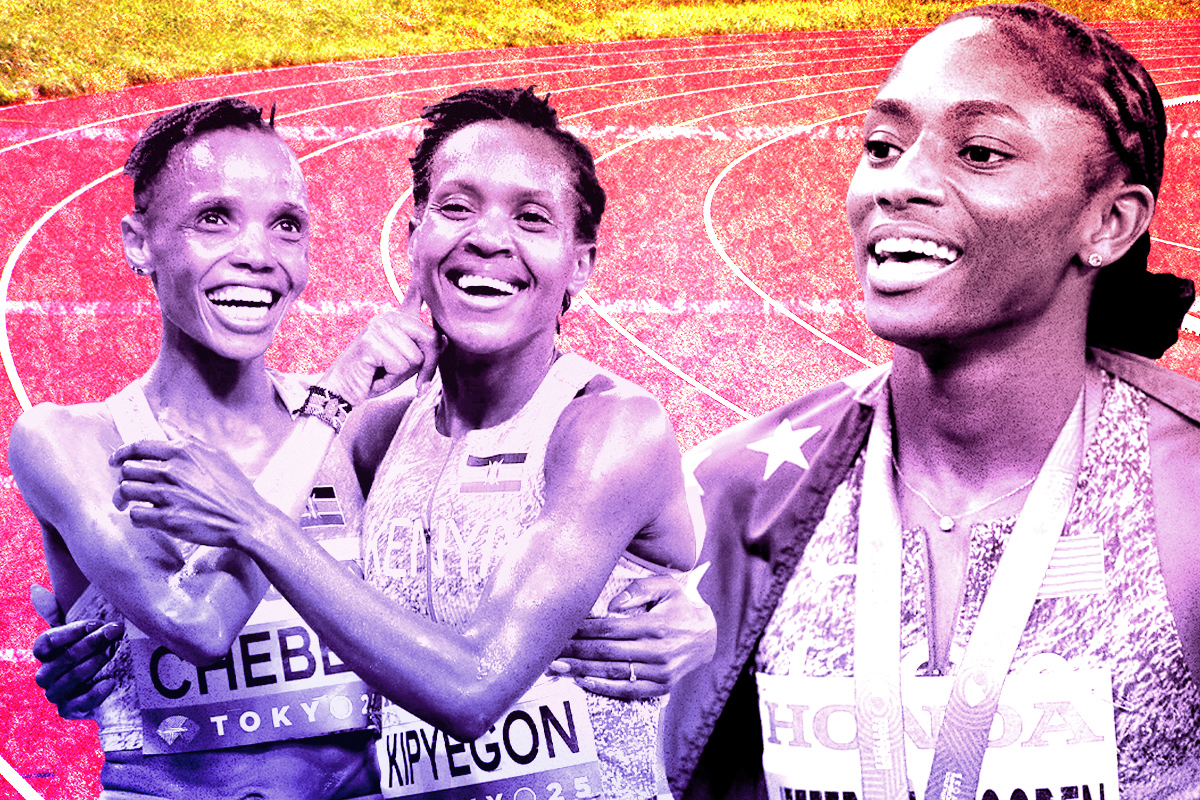
And while Beatrice Chebet, Faith Kipyegon and Melissa Jefferson-Wooden all received nominations, neither were named as finalists despite impossible to ignore seasons that included world records and near flawless campaigns on the track.
In the case of Jefferson-Wooden, the slight seemed confusing, at best, to process in a workhorse of season that saw her profile explode on the big stage.
Chebet smashed the 5,000m world record while Kipyegon lowered her existing 1,500m world mark. And all three dominated in Tokyo and won world titles.
So beyond wondering what’s in a name and the instant recognition that sometimes comes with it, what could be the formula behind the snub of all three would-be finalists?
Melissa Jefferson-Wooden
When World Athletics announced the ten track nominees on October 14, the resumes were a predictable mix of the best of the best of the year. It was five men and five women who all delivered during the season, but not a single person from the group illustrated durability and dominance like Jefferson-Wooden.
She took a chance on the inaugural Grand Slam Track season and boldly racked up noticeable wins with frequency that earned her the league’s top athlete honor even as the venture later navigated financial instability.
Unbeaten in the 100m in 2025, Jefferson-Wooden turned heads as she efficiently rearranged the positioning of track’s women’s short sprint landscape as notables like Gabby Thomas and Sha’Carri Richardson showed reduced presence — even in a year where world championships awaited a stacked American delegation.
Jefferson-Wooden took her peers out of the conversation with few words.
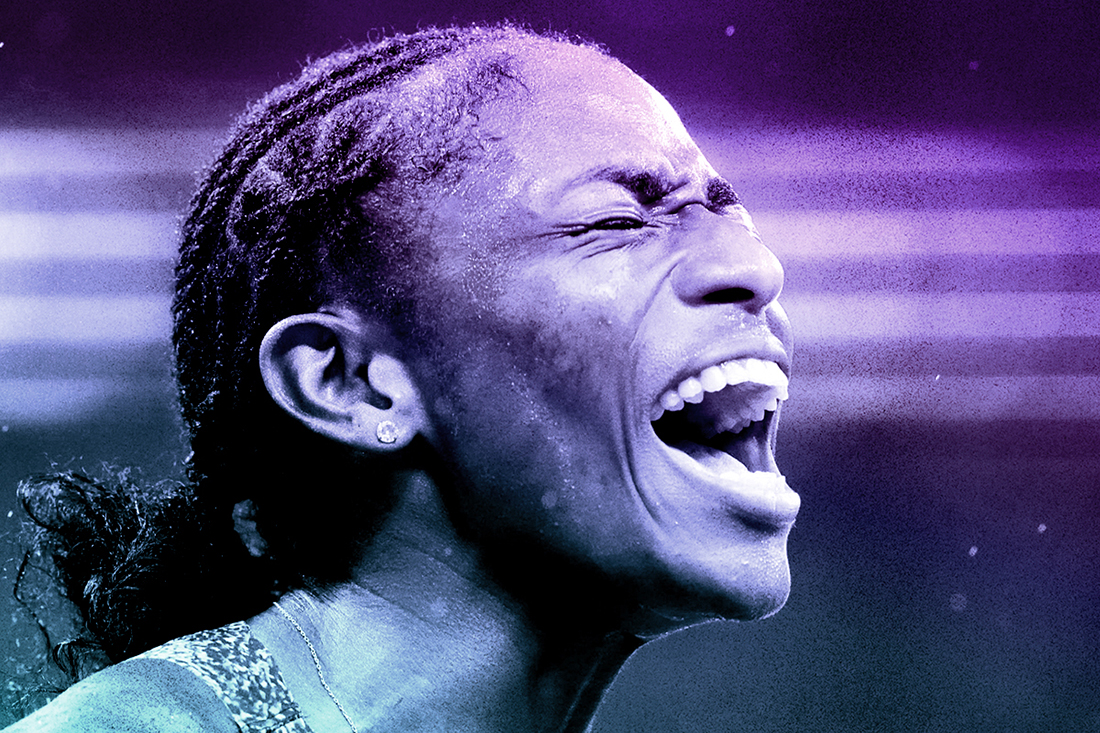
And the wins piled up. She doubled in the 100m and 200m short sprint division at Grand Slam Track’s three meets in Kingston, Miami and Philadelphia and pulled in $300,000 in the process as the event’s breakout star.
She refused to coast until USA Track and Field’s outdoor nationals would sort the roster for Tokyo.
With the final Grand Slam event in June cancelled, Jefferson-Wooden shifted to Diamond League’s only American showing at the Prefontaine Classic in Eugene in July and stunned Olympic champion Julien Alfred with a 10.75 burst in the 100m. Later that month at outdoor nationals back in Eugene she kept the mission intact, posting a 10.65 in the 100m to claim a tie for fifth-fastest woman ever — and punched her ticket to Tokyo. She added a win in the 200m in a personal best 21.84.
A pit stop at the Diamond League meet at the 2025 Memorial Van Damme in late August resulted in a dominant 10.76 victory as the sport shifted to the world stage at Japan National Stadium. Jefferson-Wooden punctuated the year in Tokyo with a trio of gold medal wins: 100m in a new championship record of 10.61, world lead in the 200m in 21.68 and she helped power Team USA‘s women’s 4x100m relay squad to a convincing in the driving rain.
Faith Kipyegon
The year kicked off for Kipyegon in April at Diamond League’s Xiamen meet where she raced the 1,000m for a world record attempt at the distance, surging to a 2:29.21 personal best that was just 0.23 seconds off a new mark.
Days earlier she announced that she would attempt to be the first woman to break four minutes in the mile and lower her own record. It was an ambitious goal and drew instant questions of how feasible — and capable — Kipyegon’s team would be at putting her in a position to pull off what could be one of the biggest spectacles in the sport all year.
And by June, at the time of her Nike-backed Breaking4 showcase in Paris, the hype and promotion of the attempt converted some doubts into possibility. But even if she did dip under four minutes, the mark would not get official designation because of the special provisions put in place by Nike to give Kipyegon the best shot on the track.
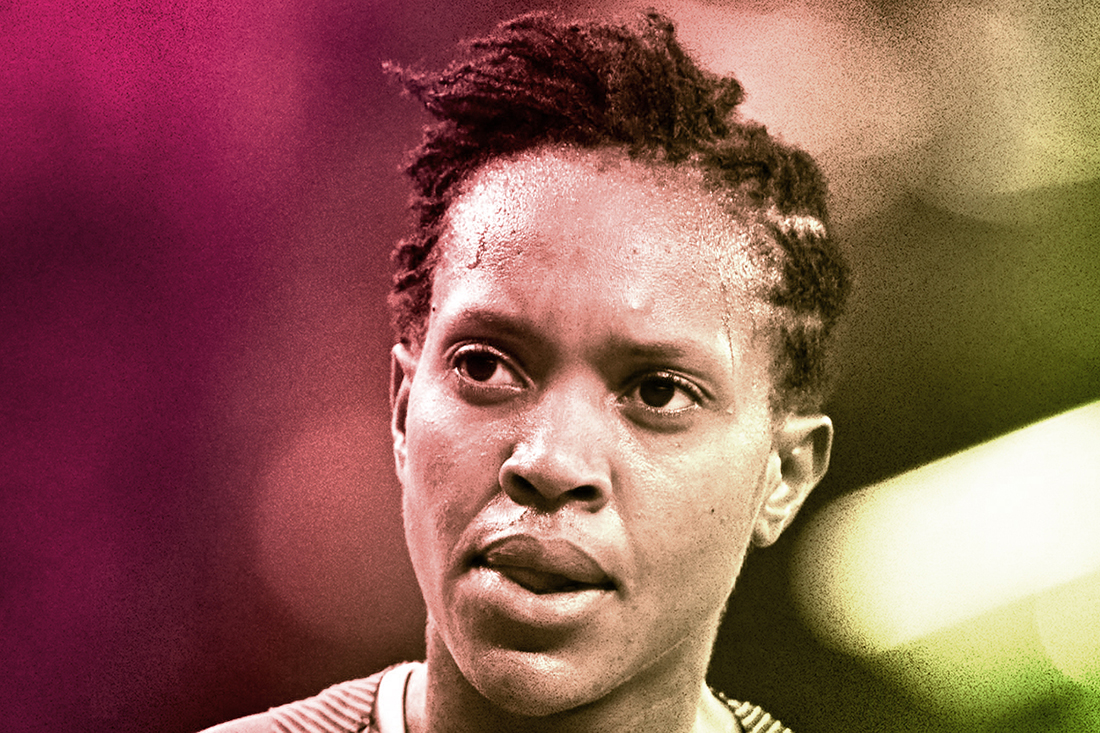
Kipygeon fell 6.91 seconds short and clocked 4:06.91, but the event served as a reminder that she was at the forefront of pushing boundaries.
Two weeks later in Eugene at the Prefontaine Classic, Kipyegon broke her own 1,500m world record with a 3:48.68 performance that cemented her ownership of the distance along with the mile.
She easily earned a selection to Kenya’s national team for world championships in Tokyo in September where she propelled herself to a 3:52.15 win in the women’s 1,500m to claim her third straight gold in the distance — and fourth overall. She later took silver in the women’s 5,000m behind Chebet, who grabbed the win.
The next month in New York City she defended her mile title at Athlos NYC in 4:17.78 over Gudaf Tsegay, the fastest mile by a woman on U.S. soil.
Beatrice Chebet
Chebet kicked her season off at Diamond League’s fourth meet in Rabat, Morocco in May and bolted to a 8:11.56 win in the women’s 3,000m — second fastest — in a year where she would seemingly lower (and break) times at will. And she followed up this performance at the next Diamond League event in Rome in June by clocking the second fastest 5,000m in 14:03.69.
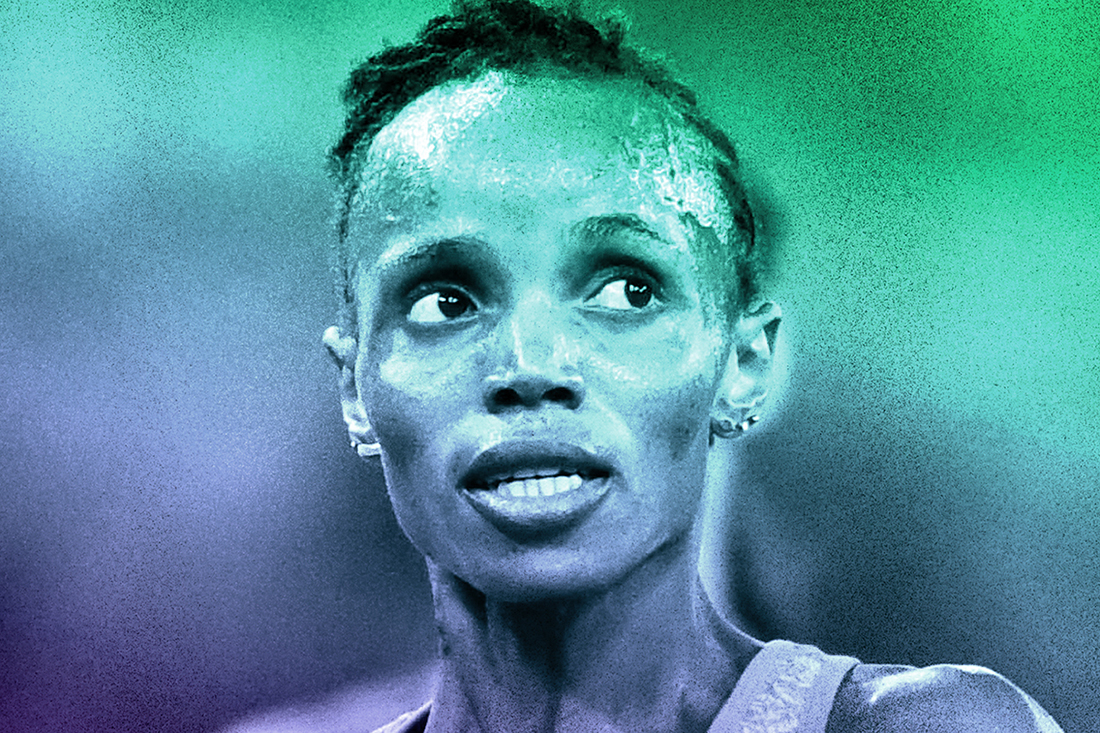
The mark was a prelude to what would come next as Chebet drew the roar of Hawyard Field in Eugene at the Prefontaine Classic in July as she used a dominant 61-second final lap to become the first woman under 14 minutes in the 5,000m in 13:58.06 — erasing Tsegay’s 14:00.21 time from 2023.
By the time she arrived in Tokyo for Septembers world championships, the prospect of gold only seemed like a formality as Chebet kicked to victory in the 10,000m final in 30:37.61 and adding to a loaded profile that already includes a pair of Olympic titles from Paris in 2024.
The process
But questions — and uproar — were inevitable (and instant) when all three were not among the women’s track finalists as McLaughlin-Levrone and Femke Bol took the two slots. Both finalists posted standout season marks, as McLaughlin-Levrone was more visible on the circuit this year as she headlined Grand Slam Track’s showcases and did not lose a 400m and 400m hurdles showdown and won world titles in the 400m and women’s 4x400m relay in Tokyo.
Bol was effective as well in 400m hurdles won the world championship at the distance and Diamond League title.
But Jefferson-Wooden’s output dwarfs theirs as she willingly took on a heavier schedule and won at an impressive frequency that also eclipsed her male counterparts on the track. She was seemingly an automatic victory machine and compiled a year that should be herded into a space that could be properly appreciated along with a season like the repeated record breaking display Mondo Duplantis showed in 2025.
And while Duplantis will likely win the male field athlete prize, Jefferson-Wooden won’t get a proper final shine on a year of running that has already shifted past the last major marathon in New York as road racing dominates the calendar.
World Athletics opened the voting for the awards to the fans on October 13 for a week of ballots that left the ten finalists at the mercy of what morphed into a battle of favorites, as all of the nominees understandably do not hold the same name recognition. Lyles and McLaughlin-Levrone could easily anchor a popular vote, while nominees like Jimmy Gressier and Cordell Tinch — and Jefferson-Wooden — see their achievements for the year glossed over despite being named as nominees.
But Kipyegon being overlooked is clearly concerning as any observer of the sport would think that the voting process needs a bit of an adjustment.
It’s unlikely a point system like the Diamond League format would be implemented as a replacement since it would exclude fans and introduce nominees that have far less star power than McLaughlin-Levrone — even though many athletes like Jefferson-Wooden have competed far more frequently.
But a fan vote is only part of the equation.
Half of the ballot result is compiled by the World Athletics Council, which is made up of 26 members with the responsibility to “govern the sport of athletics.” The group is highly influential within the governing body and effectively manages track and field globally.
Another group, referred to as the World Athletics Family are people like athletes, coaches, officials and member federations connected to the sports and they get 25 percent of the vote. And fans make up the final 25 percent.
Today is final day for fans to vote to on the six finalists as the saga of the ballot finally wraps in Monaco on November 30 at the awards ceremony. A separate vote will determine the overall men’s and women’s world athelet of the year honor.