Whoop could be a step closer to introducing a blood sugar monitoring wearable that uses sensors to collect readings instead of invasive methods like a finger prick for testing.
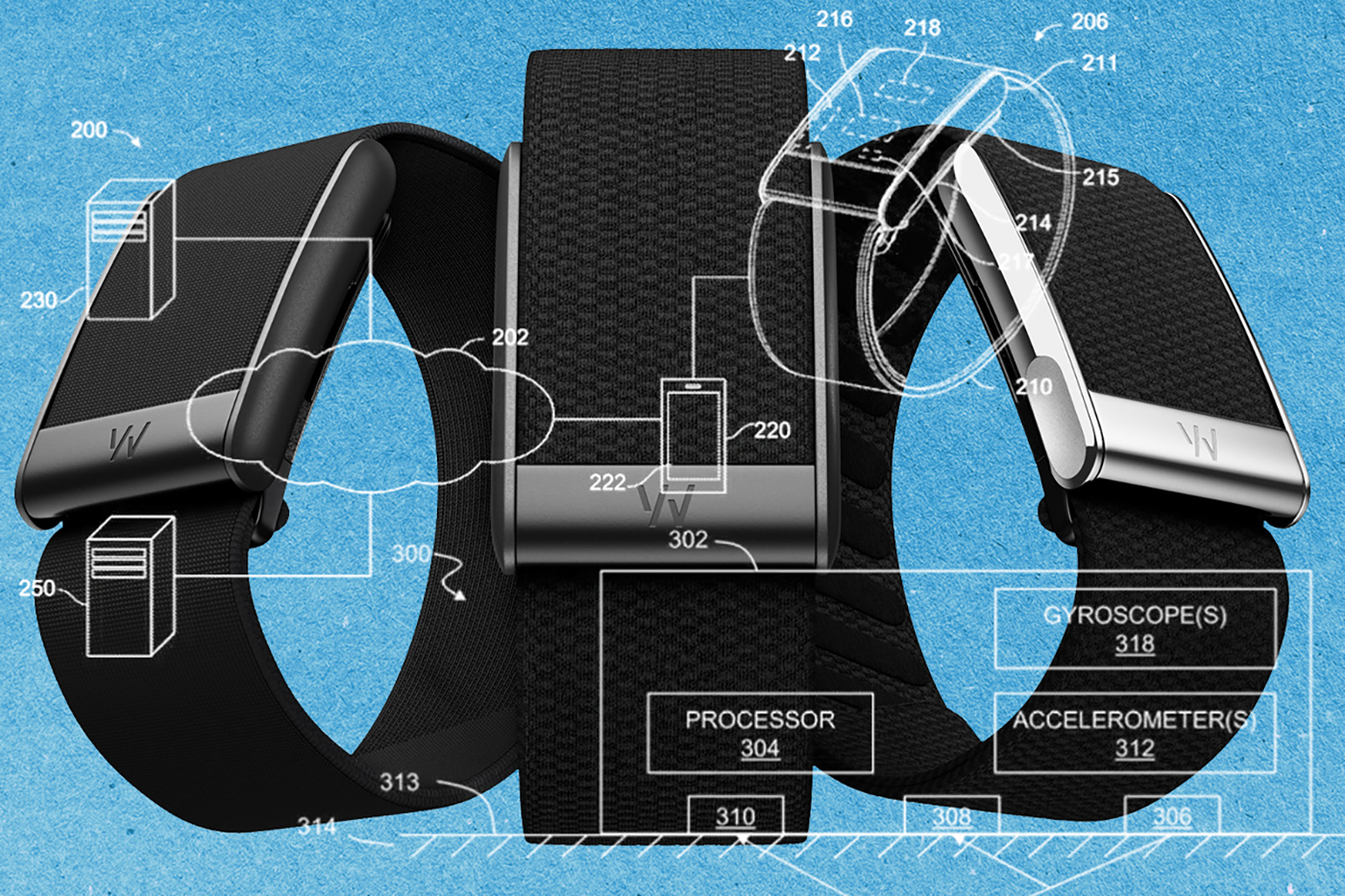
In a patent application published on Thursday, the device would be housed in a band similar to existing Whoop products like the 5.0 or MG and utilize a pair of sensors, optical sensors and light to accurately read through a user’s skin.
“A light source is tuned to a range of wavelengths selected for relatively high absorption by glucose, while an optical sensor uses a complementary filter that selectively absorbs in the same spectrum,” the abstract from the application said. “This optical channel, in combination with a separate, unfiltered reference optical channel, supports a calculation of glucose concentration in target tissue based on a ratiometric comparison of measured light intensities.”
Data would then be synced with an app on phone or tablet and then sent to remote servers to be analyzed.
The briefing also notes that quantum dots or other techniques could also be adjusted to closely control the spectrum of a light source which would allow the sensor to interpret glucose markers.
Whoop’s device could improve on existing optical glucose monitors that sometimes struggled to distinguish glucose from water, protein, fat and skin pigmentation also still need the occasional finger prick blood samples to stay calibrated.
A deeper look at the application shows that Whoop could pair the wrist worn device with other accessories like a smart ring, bicep band, calf band, clip-on device or even have a sensor placed in the elastic band of a garment, which suggest that the sensor could be removable and used in difference situations like a run or gym workout.
The company did not specify if it would create a range of accessories and patent application usually describe a wide number of uses that might appear in future products.
Whoop CEO Will Ahmed has been clear about wanting to push the company beyond wearables that are effective in delivering accurate fitness metrics. He sees the brand as more than a maker of trendy wearables as a true push toward true health tracking surges on.
“We’re going to do two things: One is bring that data into Whoop, however you’re collecting it” Ahmed said to Bloomberg in November. “And two is look at the method for collecting it and see if that can be much more non-invasive.”
With the launch of last year’s MG tracker, Whoop has doubled down on establishing a place in the personal health and wellness space to offer medical grade features that focus on an in depth look its users’ underlying health.