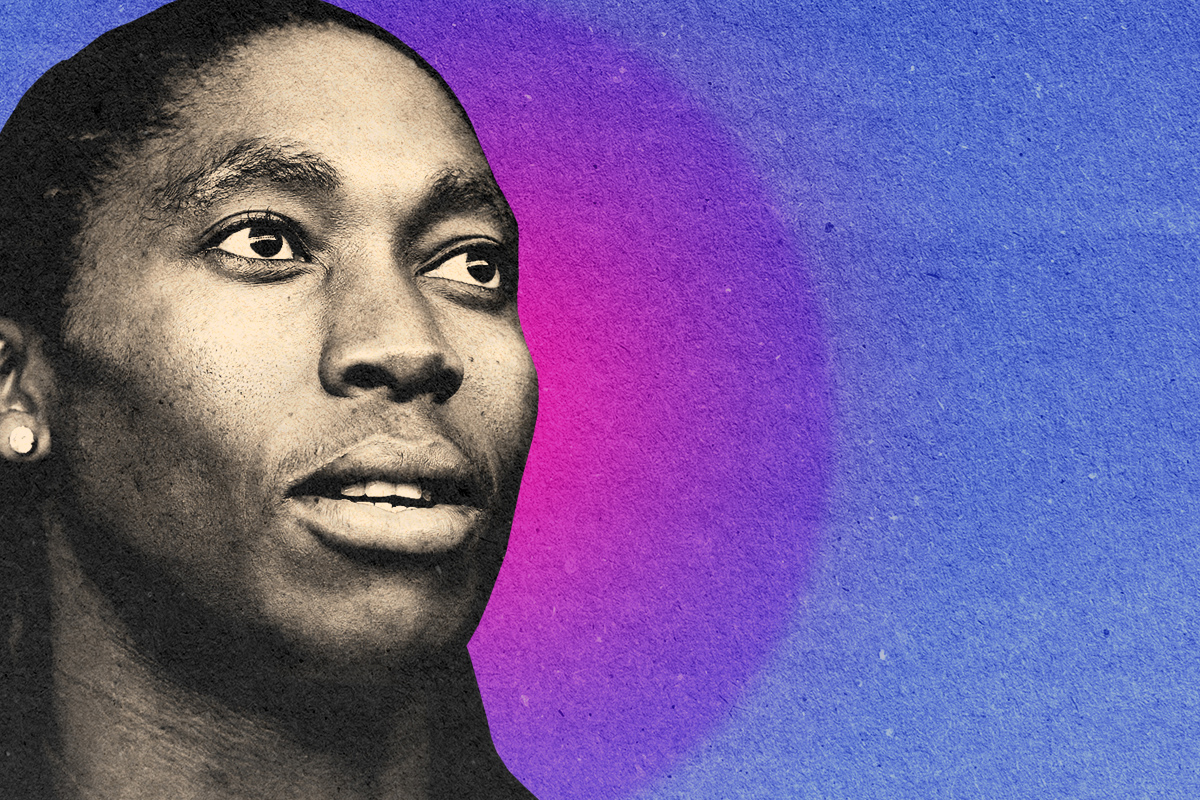
Two-time Olympic gold medalist Caster Semenya said she will not seek a leadership role with South Africa’s track and field federation or serve as an ambassador for the nation because she refused to work alongside those in authority she describes as “snakes.”
Semenya, 35, has been critical of Athletics South Africa in the past and in a report from SABC Sport on Wednesday, she reiterated her displeasure with the organization ahead of its upcoming elections. She was also clear that she would not forgive the federation for the hardship her career has faced in the past eight years.
“I am not really interested in an organization because they use you as bait, so I don’t want to be in a space where I need to answer to someone,” Semenya said in a report from SABC Sport that was published on Wednesday. “I want to fix my own ship, which is Masai Athletics Club, the Caster Semenya Foundation, which is my priority, and my athletes. So when it comes to national and international leadership, at the moment I will pause it because I don’t see myself working with snakes.”
Major rule changes on eligibility by World Athletics in 2018 severely impacted Semenya’s career even as she was thriving in the women’s 800m for South Africa, winning Olympic titles in 2012 and 2012. She was assigned female at birth but had higher testosterone levels, or differences in sex development, which exceeded what was allowed in the female category in the sport.
Semenya was opposed to taking medication to suppress the naturally elevated testosterone levels and said the drugs made her feel sick, which marked the start of a drawn-out legal battle with World Athletics that would reach the highest court in sports.
And as the litigation mounted, Semenya’s track career was effectively ended by the rule mandate, leaving her feeling at odds with her country’s federation and the South African Sports Confederation and Olympic Committee, which she felt did not do enough to protect her throughout her career.
“I have been betrayed so many times by the very same people,” Semenya said in the report. “I don’t see myself sitting at a table with an enemy. I am going to be honest; I am speaking just for myself. I have no interest in any position or any organization at this moment.”
South Africa has selected Durban as its target candidate city to eventually launch a bid for the 2036 or 2040 Summer Olympics and Paralympics, hoping to be the first-ever Games on the African continent.
But Semenya is adamant about not supporting the nation’s plan to campaign on behalf of her country despite being only one of four South Africans to ever win two Olympic gold medals. Her gold medals are also the most of any track and field athlete from the nation, a distinction that the local organizing committee would be eager to include in a promotional bid.
And even if South Africa is selected to hold the Games, Semenya said she would not serve as an ambassador as it appears that reconciliation between her and the country’s sports governing bodies is unlikely.
“I am not really interested in an organization because they use you as bait, so I don’t want to be in a space where I need to answer to someone,” she said.
Semenya saw her legal appeals fail over the last eight years, with the Court of Arbitration for Sport and Switzerland’s Federal Supreme Court blocking attempts to overturn World Athletics’ rules. The European Court of Human Rights agreed in 2023 that she did not receive a fair hearing in the Swiss court system, which it also confirmed in a 2025 ruling under the European Convention on Human Rights.
But the eligibility rules would stay in place and in October 2025, Semenya’s legal team said it would not pursue any more appeals, ending a lengthy legal battle. By that time, Semenya had already begun coaching in Pretoria and continues to focus on her track athletes and distance runners.