The European Commission has proposed banning Russian athletes and teams from competing under the Russian flag at sporting events across the European Union as part of its newest sanctions package against Russia stemming from the war in Ukraine.
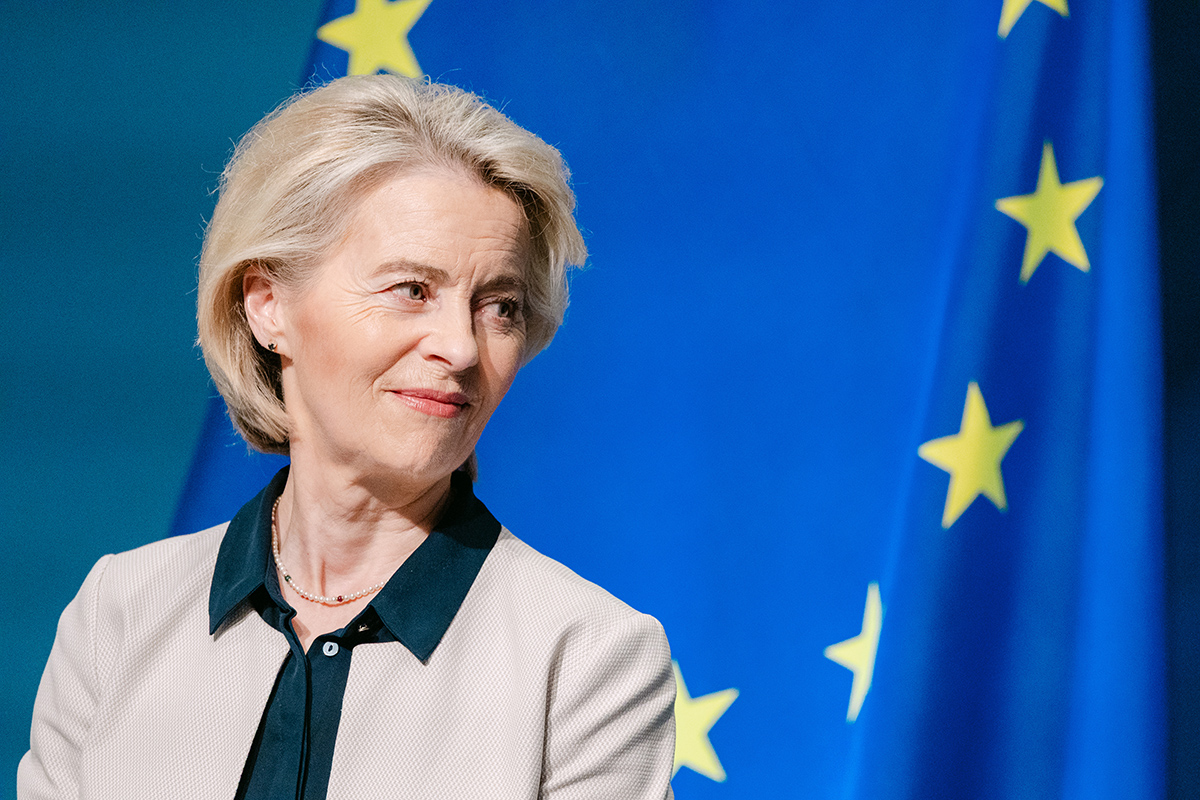
Commission president Ursula von der Leyen announced details of the plan on Monday in its 22nd package of sanctions that also included restricting visas for Russian ex-combatants in addition to blocking the nation’s financial institutions and cryptocurrency platforms.
“Sports events cannot be a forum for propaganda activities,” von der Leyen said in her remarks via video. “Today, for any sports events in the EU, we are introducing bans on Russian teams and athletes competing under the Russian flag. We propose to ban the display of official Russian symbols.”
Monday’s proposal outlined five specific areas geared at ensuring the EU would continue to apply pressure on Russia to end its military action against Ukraine.
“We are striking harder at Russia’s ways to finance its war by targeting its banks and crypto platforms,” von der Leyen said. “We are further isolating Russia. We are shutting the door to its participation to European sports and cultural events. We are tightening our visa rules. And we are doubling down on enforcement.”
The commission recommended a wide transaction ban to around 60 Russian banks, removal from the SWIFT system and a rigid approach at penalizing crypto and payment networks.
Meanwhile, an expanded energy services ban would ensure that no European company can help Russia build, maintain or fix its energy infrastructure. A prior ban covered refineries and the oil sector but now includes electricity.
There is also a proposed regulation on eliminating visas for Russian ex-combatants as part of what von der Leyen said was a recent “escalation in non-conventional kinetic activities of Russian operatives in Europe.” She labeled the ex-combatants as a security risk in the EU, with the entire union off limits under the plan.
A fourth measure in the suggested sanctions will block Europeans from occupying positions in the governing bodies of companies in Russia.
But von der Leyen’s stance regarding Russian athletes on Monday echoed a move from other European nations and Canada that will either outright block Russia from competing in global sports or deny visas. As part of the proposal, Russian symbols like flags and anthems would be prohibited at sporting events.
Within the last three weeks, Finland, Norway, Estonia, Poland, the Czech Republic and Sweden have all indicated that they would deny Russian athletes access to their countries as part of a united action on the war in Ukraine.
In early November, Canadian officials said they would implement measures to prevent Russian and Belarusian athletes from entering the country and playing under their national flags and symbols, along with reserving that option to restrict visas ahead of the World Junior Ice Hockey Championship in December.
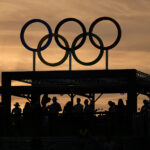
The move came as several sporting governing bodies, including the International Olympic Committee, have loosened sanctions, with the IOC essentially carving a path for Russian to compete at the 2028 Los Angeles Games.
At a summit with U.S. President Donald Trump and Chinese President Xi Jinping in Shenzhen, China last Thursday, Russian President Vladimir Putin pushed back at the growing bans and voiced his urging for sports and politics to remain separate.
“What we have is a disregard for the rules of law concerning non-compliance with the decisions made by the international court of sports and in this case the rules of international sports law,” Putin said to journalists during a press briefing. “This is a gross violation of the Olympic Charter and is a step towards the destruction of Olympism on the whole.”
The EU commission, however, looks to tighten its approach towards Russia, with von der Leyen affirming that continued military action remains a non-negotiable position the union is unwilling to sidestep.
“Our position is clear: we are giving Ukraine the strength to secure peace – and Russia every reason to choose it,” she said.