
With just over a day until Nike’s first inventory day in nearly ten years, CEO Elliott Hill is facing pressure to clearly define the immediate and future vision of a company grasping at a plan to reignite its spark in a fiercely competitive sportswear arena.
On Tuesday, Wall Street and stakeholders will be listening keenly for answers on a number of key areas, like product innovation, steps to boost profitability and rebounding in a Chinese market where Nike has seen nine straight quarterly sales declines in the region.
The challenge for Nike is that the turnaround hasn’t produced the consistent results investors — or consumers — want to see.
While Hill has begun reshaping the company’s approach, Nike continues to contend with slowing sales, intensifying competition and questions about whether its product pipeline can recapture consumer demand. Investor day offers an opportunity to explain how those pieces align and when investors can expect to see meaningful progress.
When Nike re-installed Hill back on its roster and out of retirement into the chief executive seat in October 2024, the mission was to lead with sport, innovation, product performance and tight relationships with retailers.
Hill would quickly introduce his “Win Now” initiative shortly after as a drastic shift to scrub the missteps of the John Donahoe era from the record, but the turnaround effort proved to be far more arduous than a barrage of sneaker drops, colorways, relying on Jordan, flashy marketing and sheer force over rivals.
By early 2026, “Win Now” was in need of double and triple overtime sessions to find its footing and the stat sheet played out in earnings reports that showed progress in some areas while others faltered.
“We’re even more convinced now that the ‘Win Now’ actions were, and remain, the right strategic moves,” Hill said in late March as he addressed the company’s third quarter fiscal year 2026 earnings. “These are deliberate actions. We are not just fixing — we’re building brand by brand, sport by sport. I will acknowledge that parts of it are taking longer than I’d like, but we believe in the direction. We’re moving with urgency and the foundation is getting stronger. I feel great about that.”
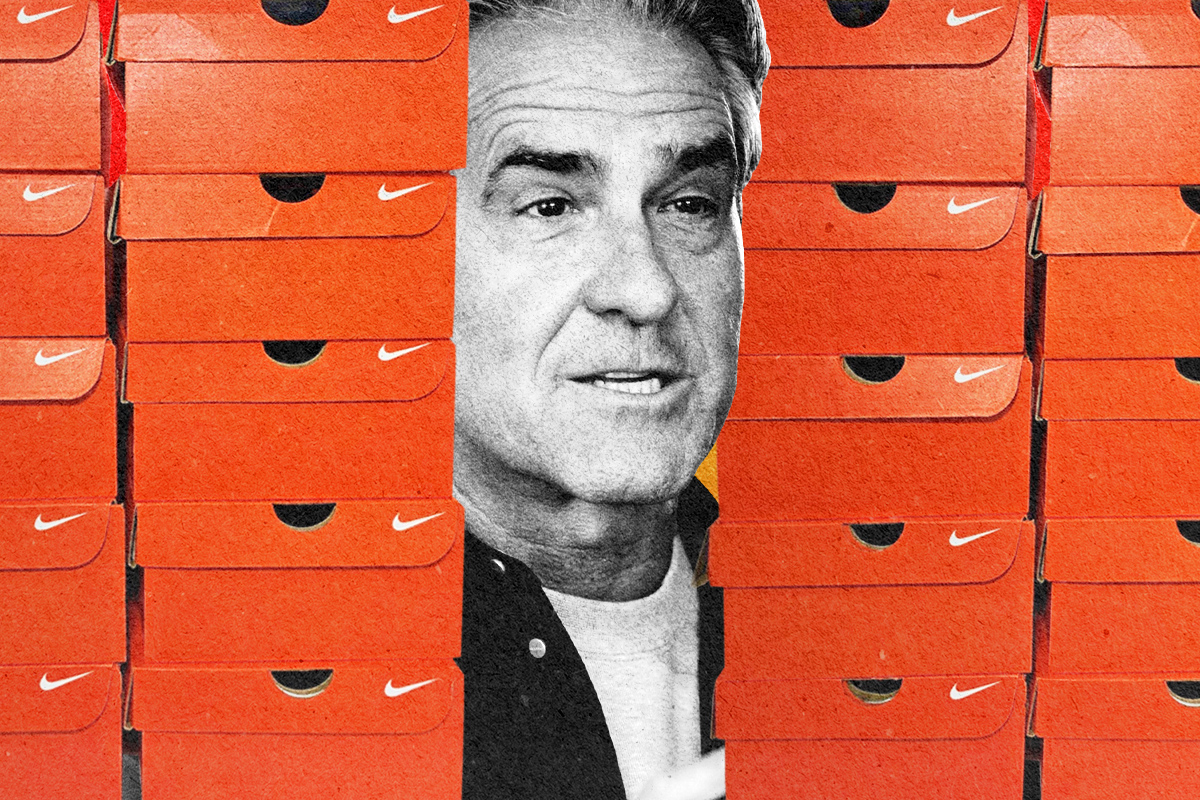
In the fourth quarter of fiscal year 2025, Nike saw its roughest stretch with Hill in command, as revenue fell 12 percent and net income dropped a staggering 86 percent.
Meanwhile, the company lost around 63 percent of its share price when Donahoe took over as CEO and dipped 49 percent since Hill replaced him. Donahoe arrived at a company hovering at just over a $103 stock price in January 2020, guiding it to an all-time closing high of $177.51 in November 2021 and just under a year later Hill would inherit a brand stumbling at $74.60 with shareholders seeking their own lifelines.
Nike’s stock closed at $37.99 on Friday after opening October at $31.97, weeks after being escorted out of the S&P 100 on September 21 and seeing a downgrade that meant it would no longer be regarded among the most stable and influential blue-chip companies in the United States.
“Overall, the results aren’t there yet,” Hill said during an earnings call after fiscal year 2026 fourth quarter results were revealed. “We know we’re not living up to our full potential, particularly in Nike Sportswear and Jordan Streetwear, where sell-through remains challenged, impacting both current discounting and future order books. We’re focused on what we can control, bringing each sport together across product, brand, marketplace and operations and deepening our connections with athletes, consumers and partners.”
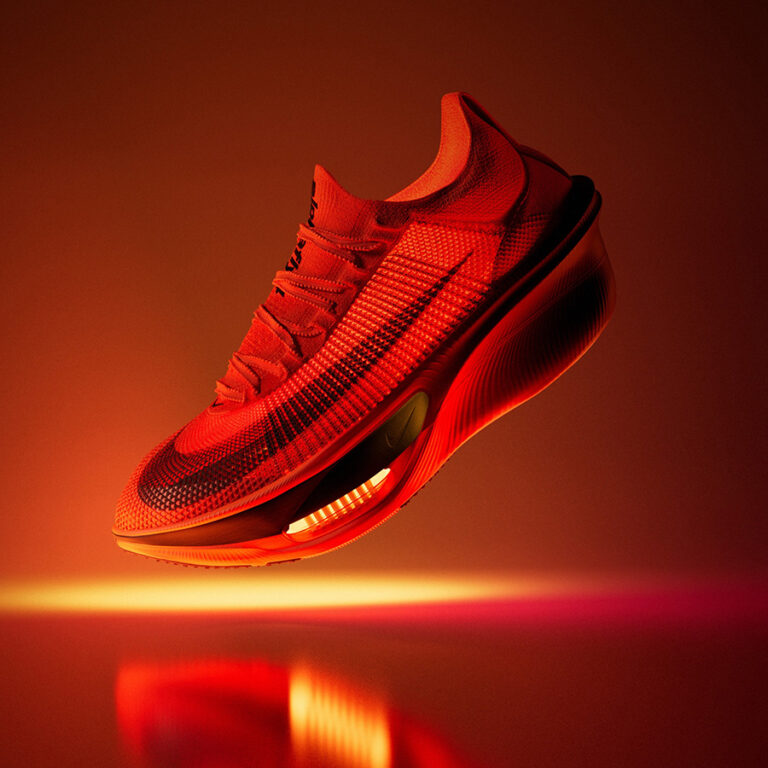
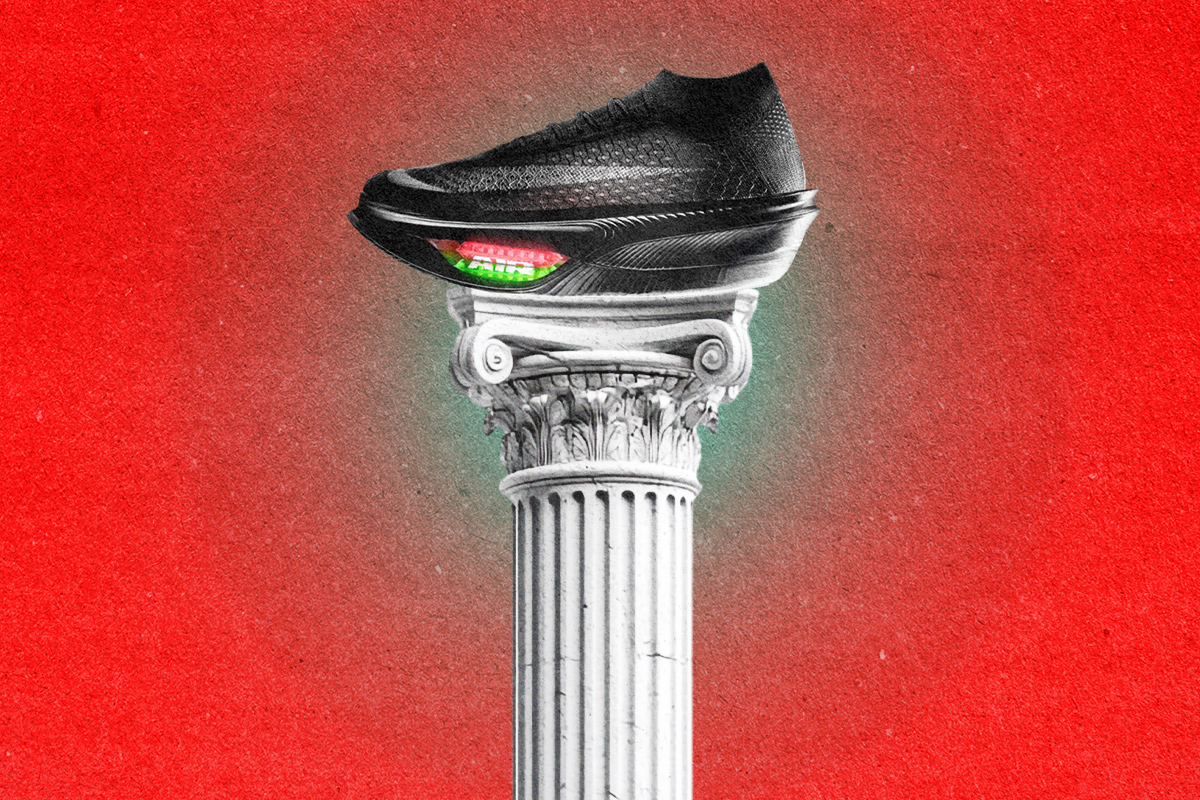
Running remains a bright spot and Nike took a major swing at reshaping its lineup last year that saw a nine-shoe roster built around the Pegasus, Vomero and Structure labels. The revamp was largely received well and smartly targeted the average runner instead of major pushes that prior iterations of the Alphafly and Vaporfly got since they represented some of the top competition shoes on the road.
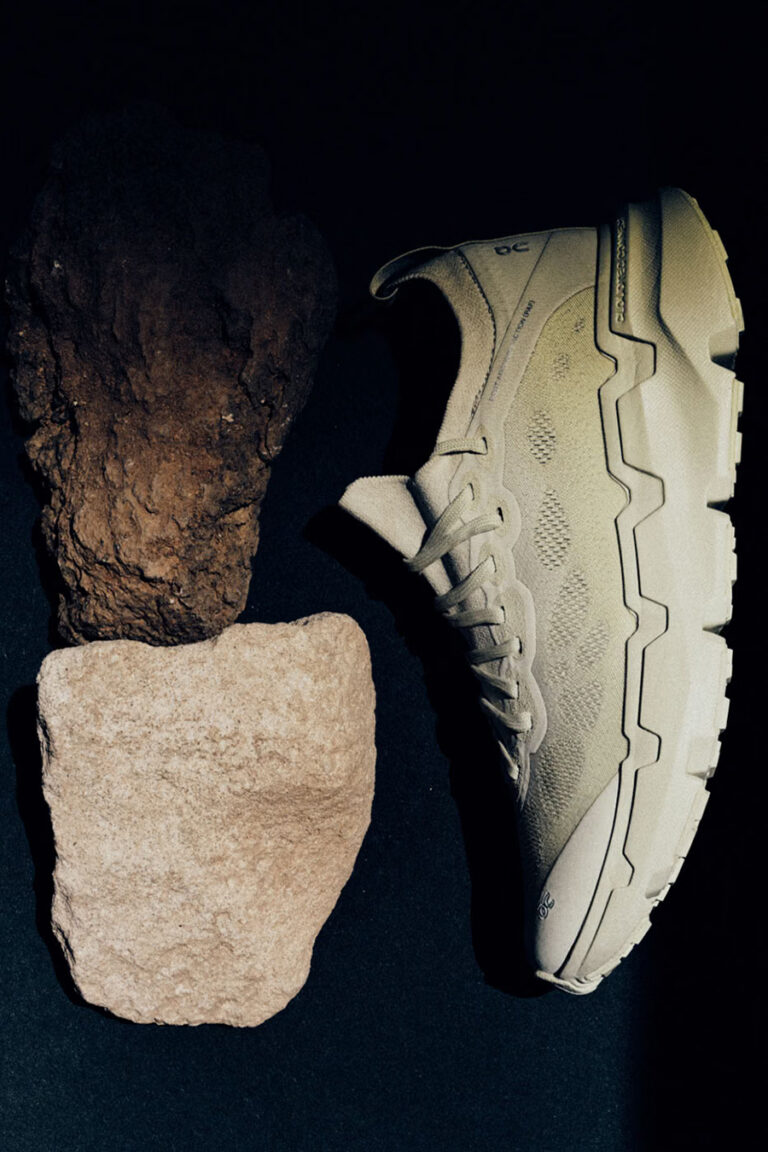
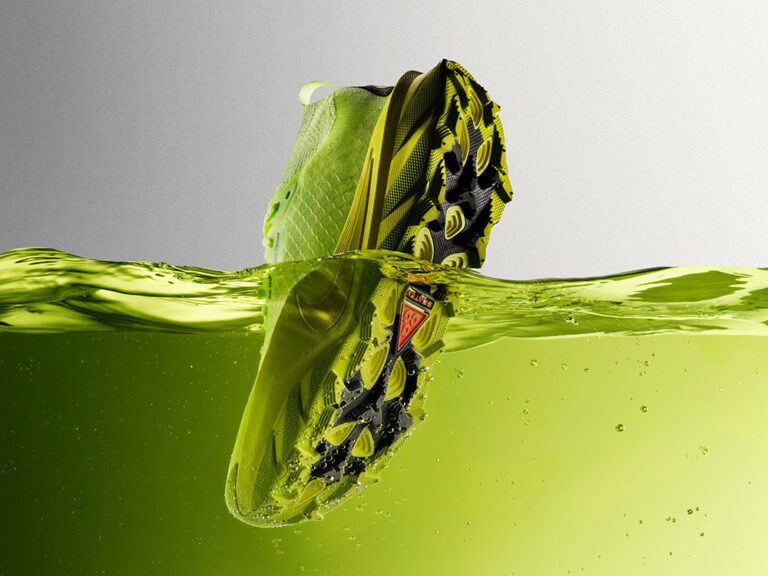
But a busier running shoe rotation under the guise of being simplified doesn’t automatically mean consumer conversion and stellar products from Adidas, On, New Balance, Asics and others not only meant that brands caught up to Nike — it showed that the industry wouldn’t hesitate to try to leave it behind as the wheels sputtered.
Meanwhile, running couldn’t be the sole savior in-house while competing brands strategically carved up sizable portions of the running market and didn’t look back in the rear mirror to see how Beaverton fared.
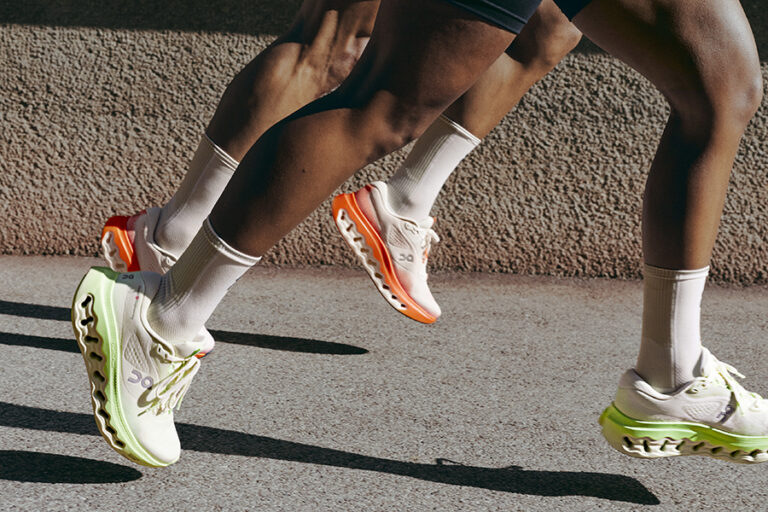
On gained traction by targeting premium running and doubled down on technology as Hoka built a fanbase in the medical sector after targeting everyday runners and walkers who demanded cushioning.
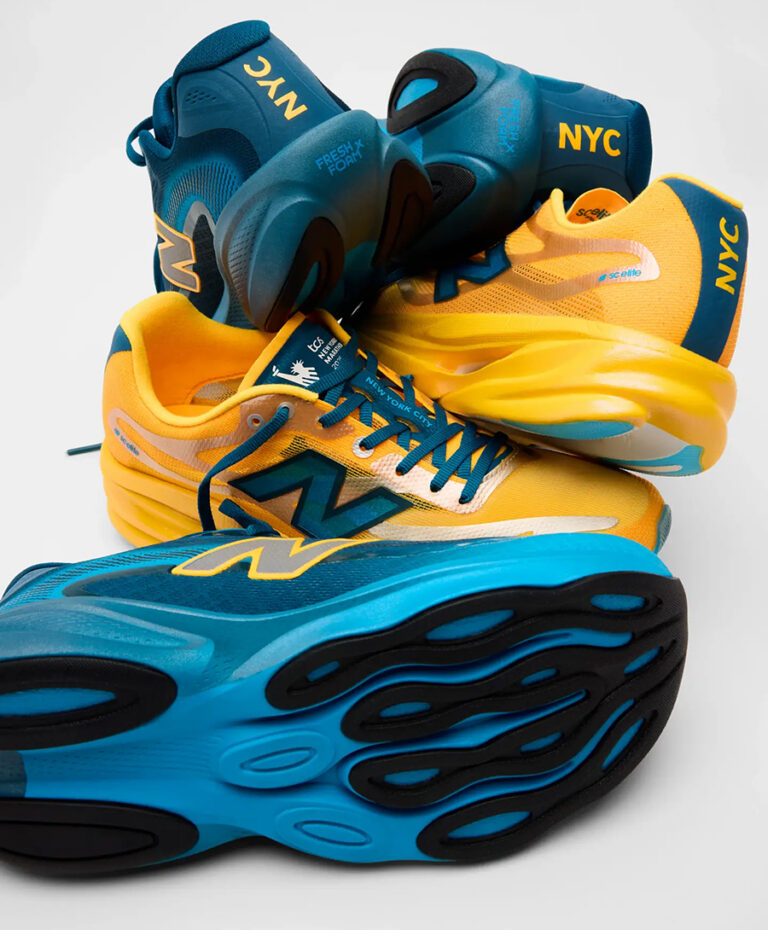
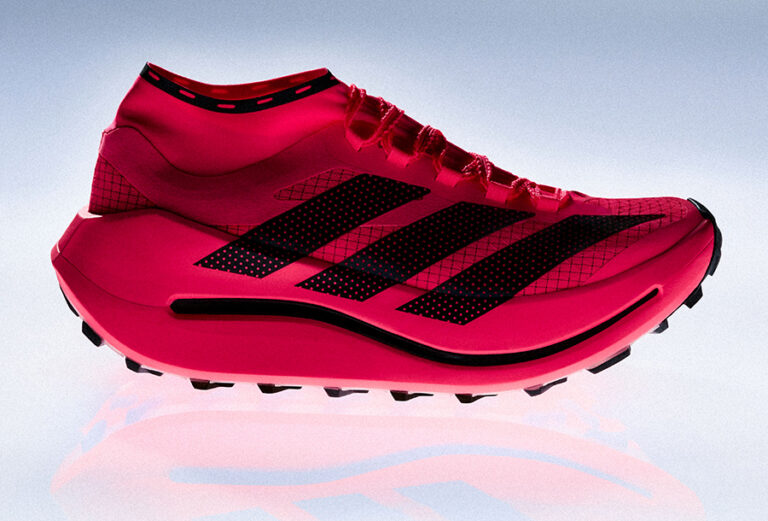
Adidas juggled lifestyle and performance with precision and demanded its place at the table with halo shoes like the Pro Evo line and its eye-catching $500 price tag, while New Balance benefited from renewed consumer interest in lifestyle and heritage footwear while offering a running lineup that had an option for runners at every level.
Even as Puma endured its own struggles, the Fast-R Nitro Elite line clawed past other supershoes and took on its own reputation, while Anta would later swoop in and purchase nearly 30 percent of the brand in January, becoming its largest shareholder.
And Nike struggled to grapple with companies like Anta and Li Ning in China, who held a domestic edge on competitive local pricing and adapted quicker to changing consumer preferences in addition to their own global ambitions. In July, Nike revealed it would cut ties with more than 1,000 distributors in China in a bid to clean up how its product was sold, priced and marketed and even broke away from large longtime partners like Topsports after nearly 30 years.
After Tuesday’s presentation, Nike will have to definitively answer if it’s capable of reestablishing itself as the driving force in sportswear and do more than just pacify investors.
In the company’s fiscal year 2027 first quarter earnings report in early October, Nike unveiled a revamped restructuring plan that will extend through 2031. It also includes unspecified layoffs as part of a move to save $2.5 billion under the Sport Offense tactic that gives the feeling like Hill and his team are on the clock more than any point in the past two years.
But after years without a comprehensive long-term update, investor day is an opportunity for Hill and company to reset expectations to a nervous crowd seemingly willing to grant an extension even if Nike’s stock price looks toward its leaders for the life raft.