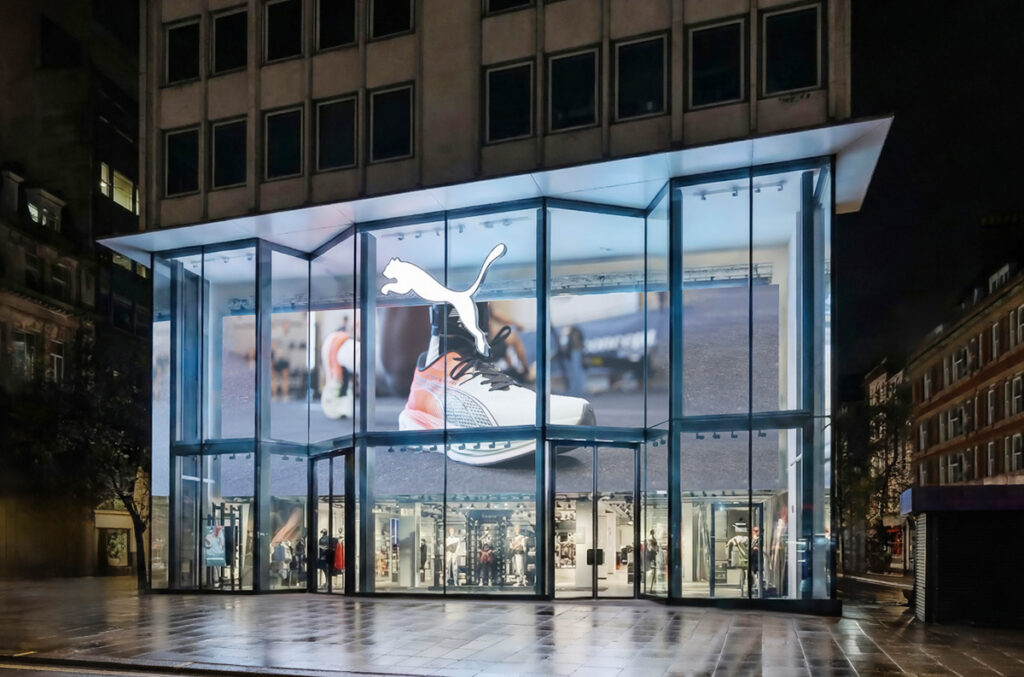
Anta is officially the majority stakeholder in Puma after a deal to acquire just over 29 percent of the German sportswear maker finally completed regulatory checks.
Both brands confirmed the finalization of the deal on Wednesday after the move was initially announced in January as the Chinese-based Anta sought to take on the sizable share from the Pinault family’s Artemis holding company.
“We believe the value of a multi-brand group lies in helping each brand realize its full potential by leveraging the capabilities and resources of the broader group,” Ding Shizhong, Anta’s board chairman said. “Puma has a rich heritage and strong underlying brand value. We have confidence in its management team and support the strategic transformation currently underway. As a long-term shareholder, we look forward to sharing our experience and capabilities, particularly in retail and operations, while respecting Puma’s independence and brand identity.”
After months of speculation last year over its future and potential suitors, Puma continued to make headlines as it navigated a difficult turnaround effort that included job cuts as the company weathered a stock price that slipped while sales fell.
The Pinault family was rumored to be reluctant to a sale of its 29.06 percent share, but by last November was open to listening to offers from several brands, including Anta and Li-Ning.
Meanwhile, Anta sent ripples through the sportswear industry in January when it agreed to a deal with Artemis and now forges ahead with a significant piece of a heritage brand as it furthers its own expansion plans.
Puma said in its statement on Wednesday that it welcomed the prospect of what will come along with the new relationship with Anta as the two brands begin collaborating on a roadmap for 2027 and beyond.
“We welcome Anta Sports as Puma’s largest shareholder and view its long-term commitment as a strong vote of confidence in our strategy, our management team and our future,” Arthur Hoeld, Puma CEO said. “We look forward to building a fruitful partnership and exploring areas where our respective strengths can create sustainable value for PUMA and its shareholders on our journey to become a top 3 global sports brand.”
Anta said that Puma would continue to operate as an independently managed company.
Meanwhile, the brands have already started forging collaboration with the development of the next generation of Puma’s Nitro foam technology. In March, Puma revealed it would be working with longtime Anta’s partner Shincell out of a joint laboratory in Suzhou, China to test new materials.
The new foam is expected to appear in future models as early as next year as it looks to evolve the current Nitro foam that debuted in 2021 on the first iteration of the Deviate shoe.
Anta has used Shincell’s foam technology in its performance running shoes since 2021 on the C10 Pro, C202 5 GT and C202 5 GT Pro models and still works with the company on its current footwear lineup.
In its statement following news of the completion of the deal, Anta said it “fully respects” the heritage Puma has built over nearly 80 years and that it would seek “adequate representation” on the company’s supervisory board. Anta also noted that it will not pursue a full takeover of Puma.