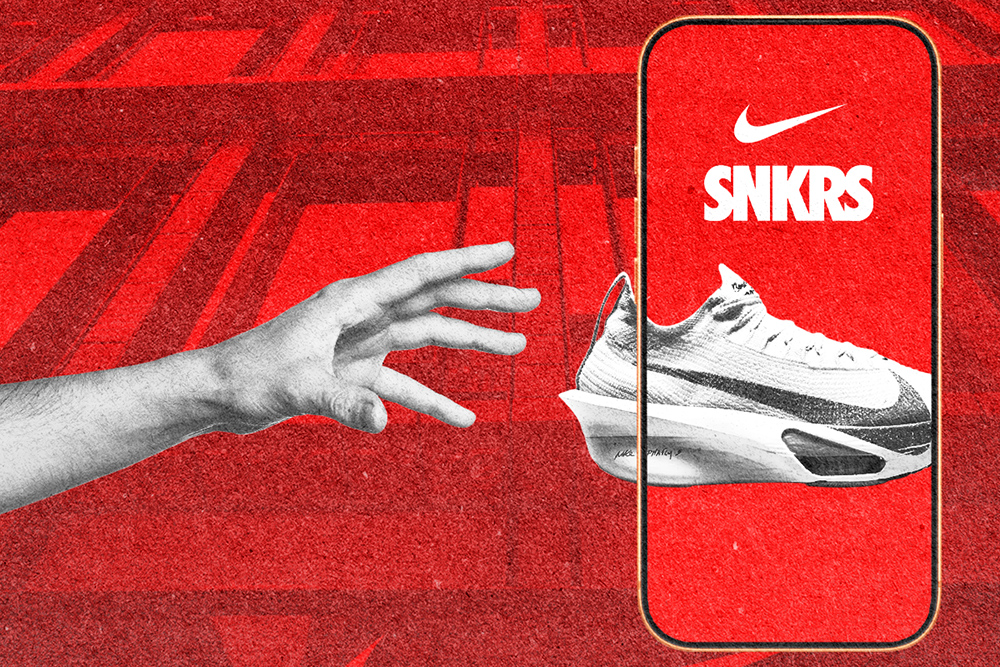
Nike clarified some of the next steps for its popular SNKRS shoe ballot app after recent speculation about the fate of platform intensified following significant organizational moves within the sportswear maker.
The company said on Saturday that it was “deeply committed” to SNKRS but changes in its engineering teams meant that the standalone group would be merged into a single unit.
“Recent changes to Nike’s Technology organization combined our Nike App and SNKRS engineering teams into one team,” the company said in a statement. “The new, unified team will be now concentrated alongside business and Technology partners at Nike’s Philip H Knight campus in Oregon.”
Talk of major changes within the teams assigned to SNKRS grew last week when former Nike employee Stacy Devino posted a message on LinkedIn that indicated the transformations were ongoing and the “org and the people behind SNKRS were obliterated.”
“We solved real problems,” Devino said in her post. “We solved scale problems that NO ONE in the industry was solving while bringing a genuine voice, citing the culture of the street with sports lifestyle, and bringing light to unique stories that resonated.”
SNKRS debuted in 2015 and quickly became embedded in the high stakes and competitive footwear lottery scene that centered on in-demand releases and limited edition shoes. Typical launches in the platform were intended to give the average buyer a fair opportunity to make purchases outside of inflated reseller premiums.
But shoes would sell out within minutes on drop days — usually Saturdays — and the app was rumored to have been routinely exploited by internet bot software applications that secured sneaker drops far quicker than actual customers. Shoes from many of the SNKRS drops would eventually be listed on reseller websites or appear in reseller shops, as the effectiveness of the ballot system routinely came into question.
Still, SNKRS remained a popular portal for exclusive releases and Nike routinely vowed to improve the app experience and adjust how many units were on sale in its drops.
“SNKRS remains a critical tool in our digital marketplace strategy, and in the future will deliver curated launches alongside always‑on assortments, rich storytelling, a seamless shopping experience and deeper connections to in‑person events – now powered by a unified Nike App and SNKRS engineering team,” the company’s statement also said.
It marks a continued sign of Nike’s ongoing turnaround effort that saw 1,400 job cuts last month in technology and operations. The layoffs represented around 2 percent of the company’s workforce as CEO Elliott Hill’s “Win Now” initiative has targeted slow sales, a shift toward automation in some areas and eliminating redundant management positions.
“These changes are meant to make the company less complex and more responsive,” chief operating officer Venkatesh Alagirisamy said in a memo addressing April’s job cuts. “As we look ahead, that means simplifying parts of how we operate, using more advanced automation where it helps us work better, and building an even stronger end-to-end foundation for future growth.”
In January, Nike trimmed 775 roles in distribution centers based in Tennessee and Mississippi where it operates large warehouses in order to build a “more responsive” operation that would decrease complexity. Nike has not disclosed how much of April’s cuts were directly tied to SNKRS but did say that it is focused on providing a “seamless consumer experience” for users of the platform.
Despite the impact of SNKRS in the footwear culture community, how the platform operates inside of the core Nike app and website could be an indicator of how the brand moves forward with its running and training app — which are both standalone services but closely tied to the company’s direct-to-consumer shopping pipeline.
Last week, the company officially discontinued its .SWOOSH web3 platform that allowed users to gather digital collectibles. The platform was introduced in 2022 months after acquiring digital fashion and streetwear brand RTFKT in 2021. The unit was quietly sold in December amid the aggressive push to implement “Win Now” directives.