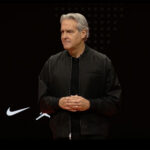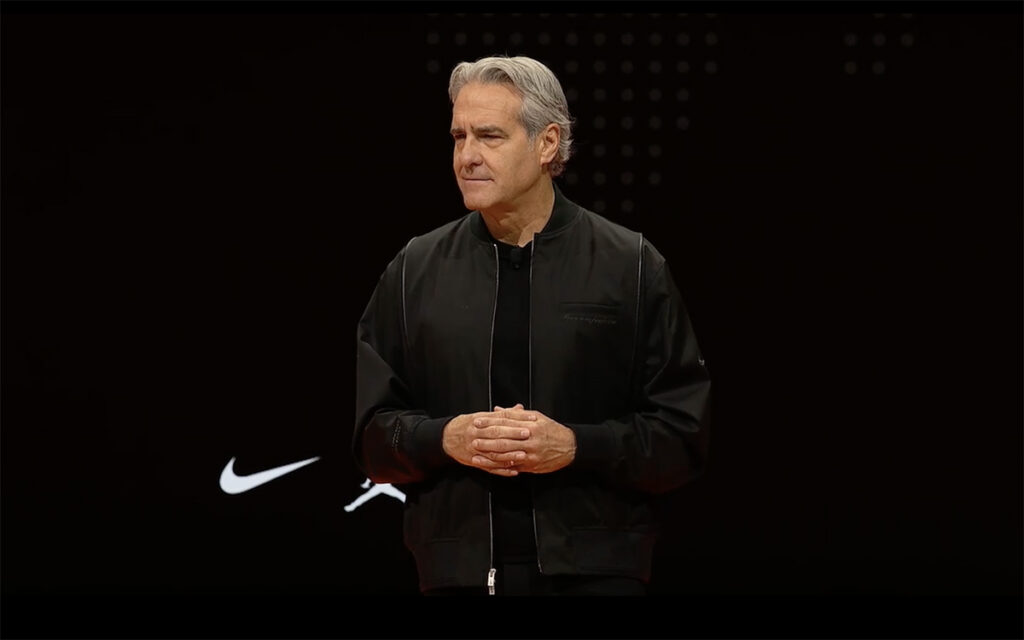
Nike outlined a clearer path toward completing its turnaround on Tuesday, with CEO Elliott Hill saying the brand expects to see revenue growth in 2029 with performance sports leading the way.
At the company’s first investor day in nine years in Beaverton, Oregon, Hill was adamant that Nike would go on the offensive to rebound from struggling sales that have chipped away at its stock price, increased competition and nine straight quarterly declines in China.
The company unveiled a new strategy, “Full Stride Ahead,” that will put emphasis on running, training, soccer, basketball and outdoor. Along with its sportswear business, Nike looks for the categories to generate more than 90 percent of its revenue growth between 2028 and 2031.
“We are not where we want to be,” Hill said. “Nike Sportswear and Jordan remain challenged, and both have had an outsized impact on our results, especially in Greater China.”
Nike is eyeing $5 billion in incremental revenue by fiscal 2031, with performance sports being roughly $4 billion of that total while generating $2.5 billion in yearly savings through restructuring, which includes supply chain modernization and unspecified layoffs and operating margins of 12 to 14 percent.
Hill said Nike would have to do more work on its inventory management, full-price selling and profitability as the company looks to continue clearing out older inventory, reducing the supply of products that have become overexposed in the market and tighten up on how it manages its footwear franchises.
“These are deliberate choices. And they will weigh on our near revenue,” Hill said. “But they are necessary to make certain that we are streamlining our brands, drive a healthier full-priced business for ourselves and for our partners and create the foundation for profitable and sustainable growth.”
Shares of Nike fell around 5 percent in afternoon trading Tuesday, reversing earlier gains the company saw after a barrage of new product announcements on Monday.
Among the new releases, the Vaporfly 5 was revealed with a bolder design and new ReactX LT foam, while the Vomero 19 arrives with updates that don’t stray too far from the current model. The sensory-focused Nike Mind lineup was expanded and the popular Nike Free shoe returns as part of a complete training system that includes apparel, equipment and recovery gear.
But other noticeable changes will be seen in other parts of the product portfolio as the company also revealed that it would trim its sportswear shoe lineup by half since less than ten percent of revenue is generated by new models. Nike said it would turn its attention to shoes that sell in the $80 to $100 range as part of a target to deliver the styles that resonate with customers and restore higher revenue from the category.
Meanwhile, Hill said a crucial part of Nike’s turnaround strategy will prioritize 23 countries that are expected to account for about 90 percent of the company’s revenue growth between 2028 and 2031.
Assessing and restoring its footing in China will be a task that Nike needs to tackle with precision as it continues to lose market share to rivals and domestic brands like Anta and Li Ning. Hill was candid about Nike’s past missteps that were part of a sales slide that could push into a tenth straight quarter.
“We became very transactional, very focused on a few styles and forgot about celebrating sports,” Hill said. “We paid that off on a very expanded digital marketplace that became promotional over time. So it impacted, obviously, our revenue, margin and brand relevance.”
In July, Nike said it would cut ties with more than 1,000 online distributors in China in a bid to address how its product was sold, priced and marketed and even broke away from large longtime partners like Topsports after nearly 30 years, with just Tmall, JD.com, Douyin and its own website being used to repair a fragmented network that has led to inconsistent pricing, diluted branding and stalled regional sales.
Nike also said it has a strong liquidity position, with more than $8 billion in cash on hand and short-term equivalents as of the first quarter of fiscal 2027.