
Google refreshed its wearable lineup on Monday with the reveal of the Fitbit Edge, a tracker that walks a fine line of living in the world of fitness bands while avoiding the trend of going screenless, like devices from Whoop — or its recently-released Air.
The Edge arrives as a successor to the aging, but reliable, Charge 6 that was one of the newer products that emerged from Google’s 2019 acquisition of Fitbit and is a true option for those not ready to shed screens altogether.
And despite sporting smartwatch looks, the Edge is sleek, offers Fitbit’s first-ever replaceable battery, charges rapidly and comes stuffed with a stable of features that expands the brand’s roster for a wallet-friendly $180.
The price puts it well under an entry level watch like the Garmin Forerunner 170 at $300, but also comes in at under $100 more than its Fitbit Air sibling, which pulls in the mainstream tracker crowd at just $99.
But the Flex inches noticeably close to Garmin’s Cirqa band, a $199 wearable that arrived a bit late to the screenless tracker party, and Google’s device steers far away from the steeper priced Whoop 5.0 and MG — and their expensive subscription tiers.
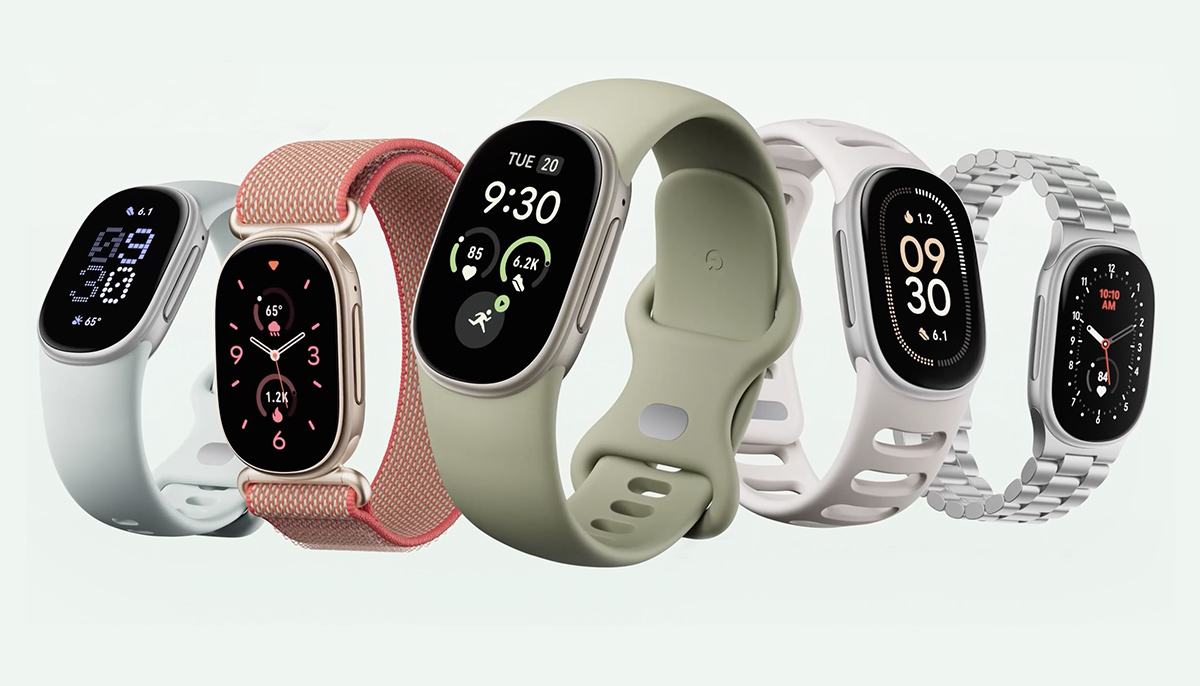
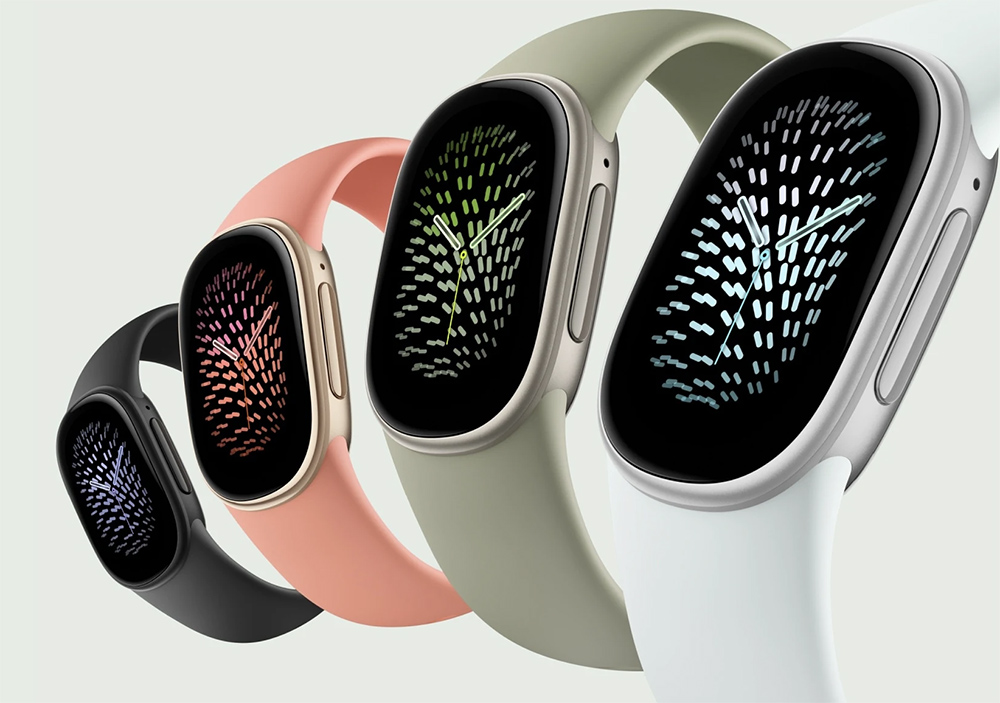
Meanwhile, the oval 1.34-inch Hybrid OLED display on the Flex is vivid and Google says it is the brightest tracker screen it has shipped and is easy to read in direct sunlight. At 11.5mm thick, it is slightly heftier than the outgoing Charge 6, lasts seven days with the replaceable battery full via USB-C on 90-minute charge time and is modular enough to be user serviceable.
Just five minutes of charge can power the Flex for a day.
Built-in GPS is 40 percent more accurate than the Fitbit Charge 6, with the Flex gaining a dedicated altimeter for elevation tracking and can automatically recognize up to 100 workouts. Like most trackers, a heart rate sensor is part of the package, along with ECG, SpO2, skin temperature sensor, accelerometer and gyroscope.
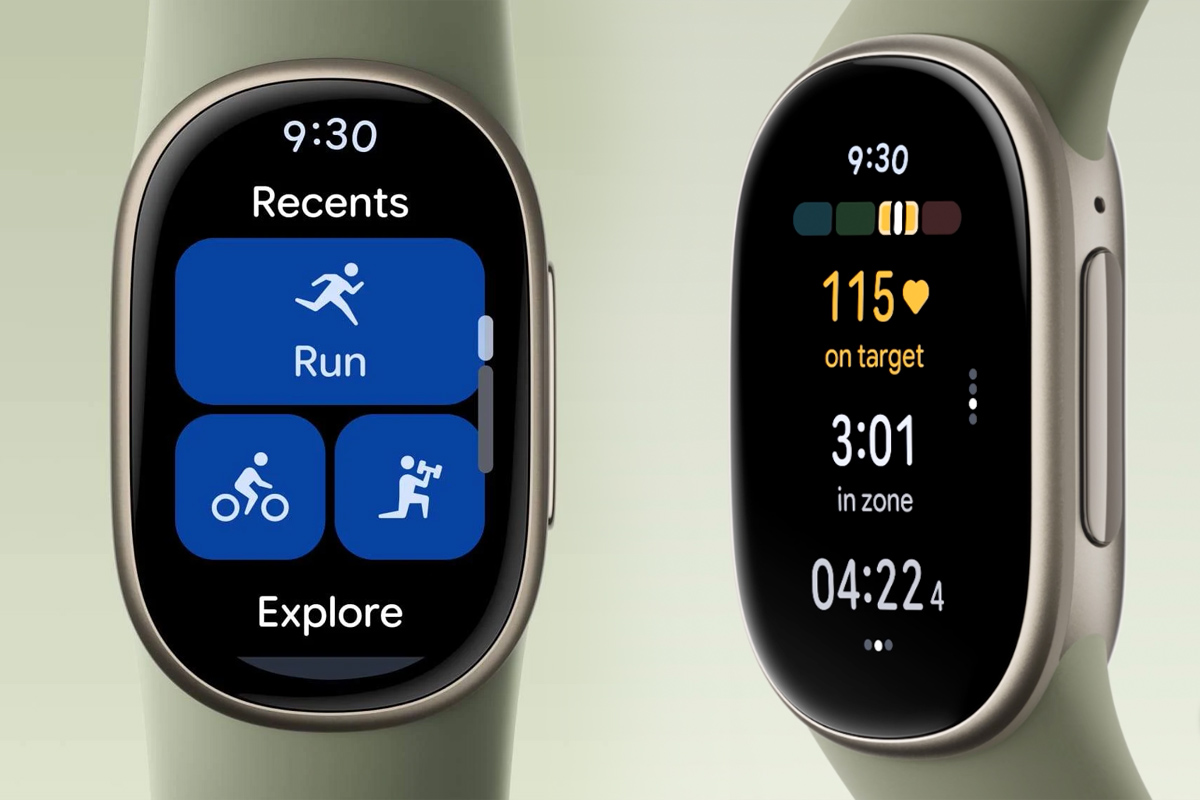
During sleep, nightly fluctuations are tracked and detailed while a sleep stage analysis and HRV metrics help build a comprehensive recovery score the next morning.
And unlike some rivals, the Flex is not tethered to a subscription, but three months of Google Health Premium are included and a wider view of each insight cobbled by the device is funneled into the revamped Google Health app.
Google knows that ramping up its offering of watches and bands will be critical to juggling fitness, health stats and even the basics like tracking steps while making sure there are no holes in its portfolio that could steer users to other brands.
“Many people are looking for a wearable that sits between an advanced smartwatch like Pixel Watch and the quiet simplicity of a band like Fitbit Air,” the company said. “That’s Fitbit Edge. It’s small and comfortable but also a powerful daily companion that’s designed to help you reach your wellness goals.”
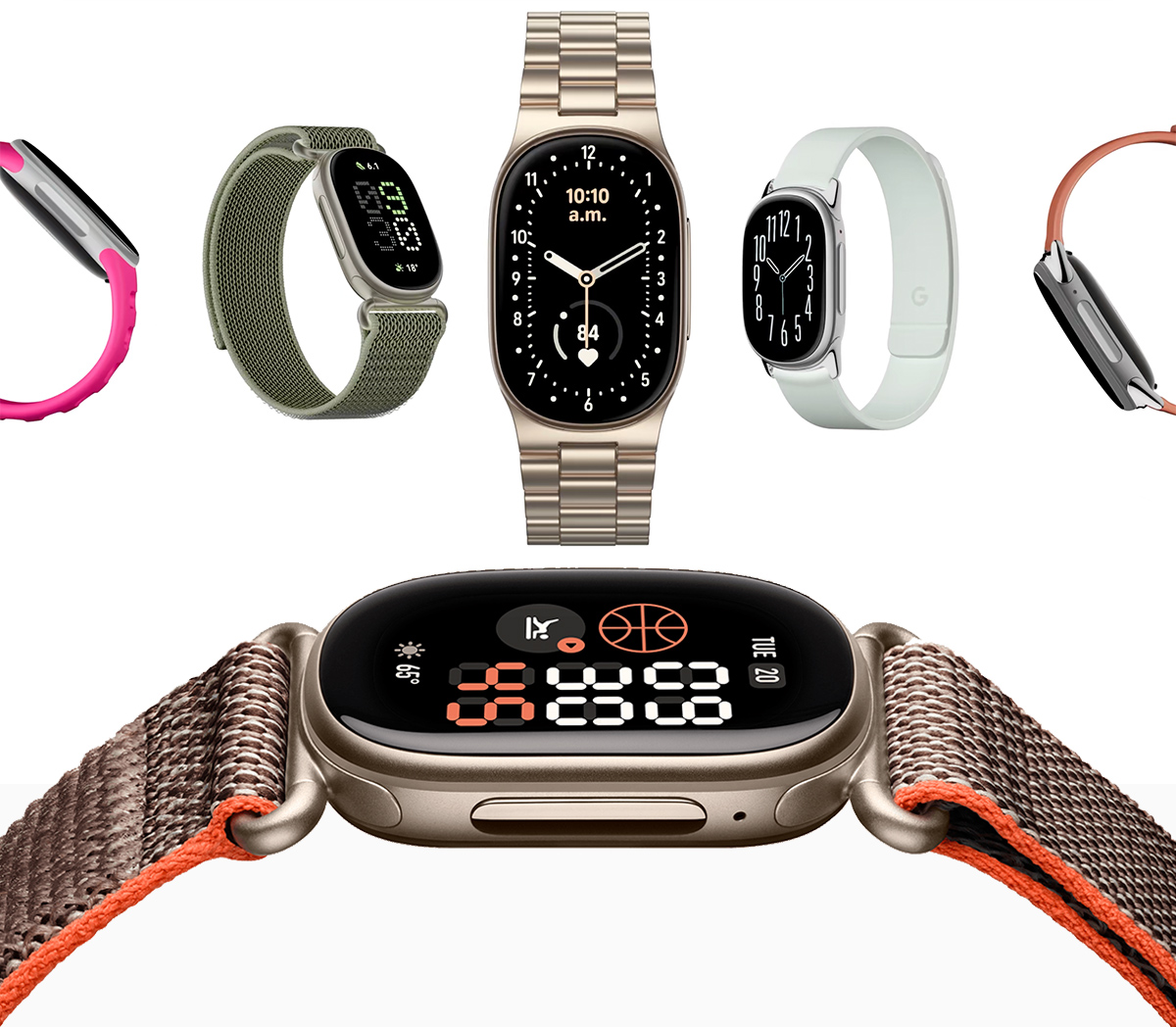
Flex shows up on October 27 in obsidian, canyon, fog and olive green colorways with a Stephen Curry edition for $220. A slate of interchangeable accessories will further the customization as a sport band, loop band and metallic link band will all be available at launch.