
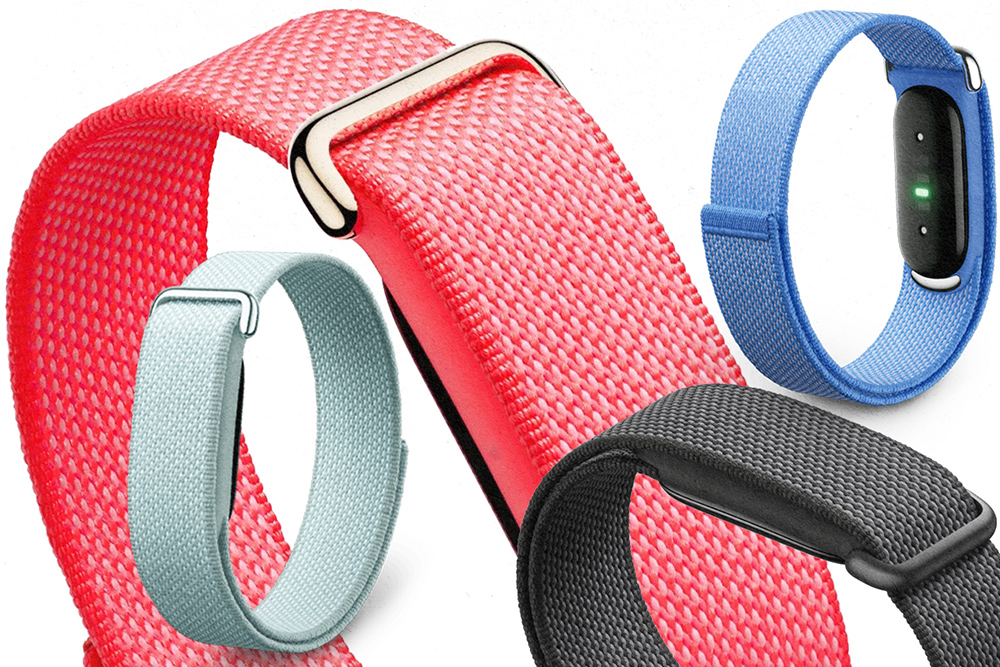
The battle for wrist real estate got another entrant last week when Google unveiled the Fitbit Air, a $99 screenless health tracker that’s not tied to a subscription models and is cleared aimed at Whoop, other rivals and even clones.
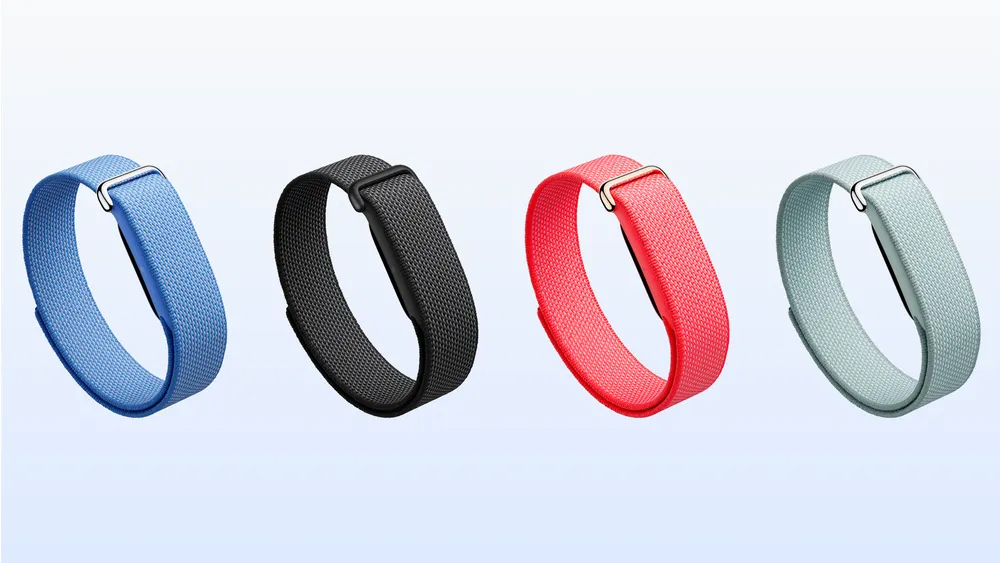
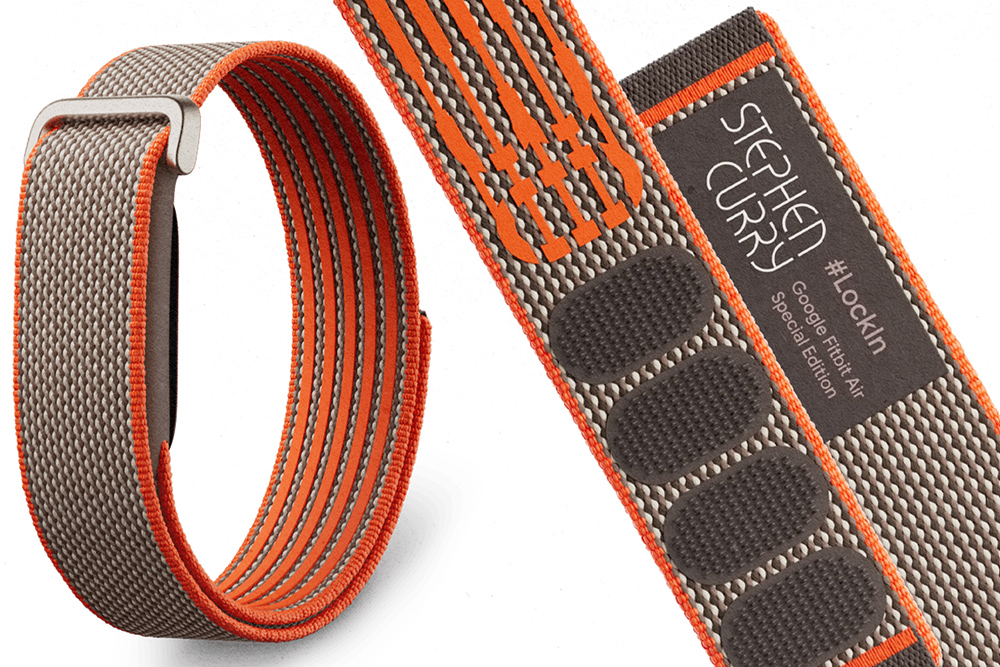
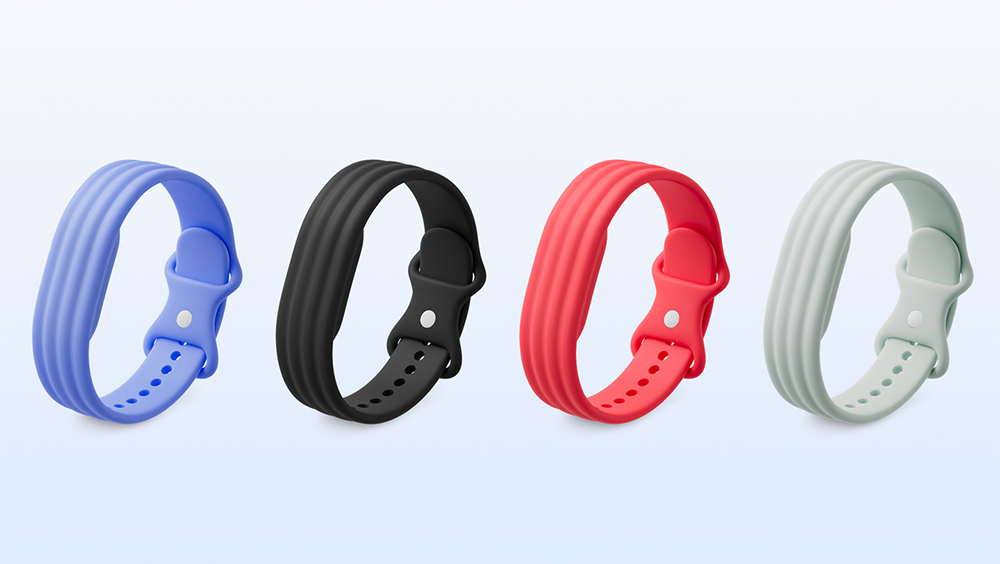
The band comes in four colors — Lavender, Obsidian, Berry and Fog — in addition to a Stephen Curry variant, and is packed with a trove of features that are now standard on similar products.
Google’s tracker is an attractive option and features constant heart rate tracking, an optical heart rate sensor, SpO2 monitoring, 3-axis accelerometer and gyroscope, skin temperature monitoring, heart rate variability, sleep score, cardio load, irregular heart rhythm notifications, automatic activity tracking, vibrating silent alarms, can take a dip in water up to 50-meters and boasts up to seven days of battery life.
These features are not groundbreaking, but Google hopes to entice consumers with three free months of Google Health Premium.
Rumors of a Google tracker bubbled last month when Curry teased the band in on social media and fueled speculation that a release date for the device was imminent.
“I’m excited for what this is going to mean for the world — for health and wellness,” Curry said in the post. “It’s a first of its kind, in a way.”
But a reborn Fitbit is entering a fitness tracker arena that is far more crowded than it was more than a decade ago when the brand was viewed as a gateway to wearables that weren’t Garmin watches aimed at runners, triathletes or cyclists.
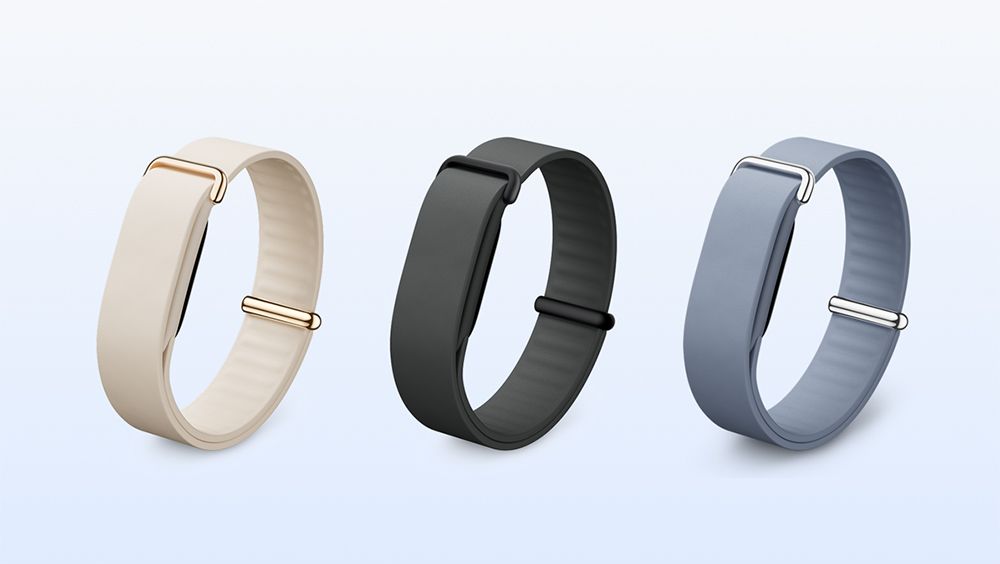
As a standalone brand, Fitbit was a pioneer in the the entry level fitness tracker market and made a segment-defining splash with the Flex in 2013. The device was $99, stylish and stood out with a row of five LED indicators and several color choices for the band. The Flex 2 arrived in 2016 with major refinements, more customization, low profile design and a user-friendly app that was an innovated blend of substance without bombarding users with confusing metrics.
But by 2019, both models were discontinued from Fitbit’s lineup and the company was acquired by Google in a massive $2.1 billion deal that was completed in January 2021. Questions of whether the Fitbit brand would survive outside of just being a name were rampant as early Google Pixel watches were infused with Fitbit technology.
It’s now clear that Google is all-in on wearables and current Fitbit users are now redirected to a page the features the new band, watches, earbuds, tablets and other devices. Even the app experience is distinctly Google following a complete facelift of the existing Fitbit last year that has now been rebranded in its latest update to reflect its place in the larger Google Health ecosystem.
But the Fitbit Air will have to share shelf space and elbow room in the wearable world alongside Whoop, its primary competitor that has 12 percent of the screenless tracker market and has vigorously defended its “Whoop Trade Dress,” or design details that are commonly associated with its products.
Garmin is said to be readying its own tracker, Cirqa, after regulatory filings were discovered along with part numbers, sizing and colors leaked on the company’s website but quickly pulled.
Existing bands have already shown what the non-smartwatch consumer expects in a low-profile tracker and Google has taken notice, but still faces a crowded field of similar wearables — along with trying standing out among its own Fitbit-branded siblings.
The current Google stable already includes the Fitbit Charge 6, Fitbit Inspire 3, Fitbit Versa 4, Fitbit Sense 2, Google Pixel Watch 3, Google Pixel Watch 4 and Fitbit Ace for children.
Outside of the Google family, the Fitbit Air’s true challengers are waiting, with Whoop’s popular 5.0 and MG models being introduced last year and loaded with features that have pushed the devices closer toward medical grade health insights outside of being seen as fashionable accessories. But at $25 to $40 a month, Whoop’s subscriptions are steep costs of entry that other brands have raced to exploit.
Polar released its Loop tracker last September for $199.99, with no subscription and weeks later Whoop responded with a lawsuit claiming patent infringement and a “wholesale copy” of its trackers with no screen, fabric band and metal accents that could possibly confuse customers — and have been synonymous with Whoop devices since the 1.0 debuted in 2015.
Meanwhile, the Luna Band was introduced at CES 2026 in Las Vegas in January with Whoop as its main target at $149 with no subscription commitment.
The Speediance Strap was also unveiled at CES 2026 as a pivot for the company that was largely know for its gym and exercise equipment. The tracker was announced as a comprehensive health reporting device with AI guidance to give a tailored look at recovery, training, sleep and baseline physiology. But since CES 2026, the tracker has gotten little mention by Speediance since it was announced.
Rogbid’s Halo Band is one of the lesser known tracker but its significantly cheaper at $49.99, with no subscription and claims of 24 hours of continuous heart rate monitoring, blood oxygen readings and sleep tracking patterns.
The Helio Strap from Amazfit’s is $99 band, no monthly subscription and easily integrate with brand’s ecosystem of devices like its smartwatches and ring tracker. The band can also be paired with its Core tracker that is marked toward users seeking “pro-level performance” with priority on real-time precision accuracy.
The Fitbit Air ships on May 26 and its arrival marks a “your move” moment for Garmin, while urging potential buyers to reconsider Whoop and its pricey subscription model. It’s also a trial run introducing new uses to the beefed up Google Health platform that supports several existing devices. What Google initially lacked in the fitness space became clearer with the Fitbit acquisition in 2021 and now its newest tracker is a calculated first step toward wider adoptions of its push into health insights.