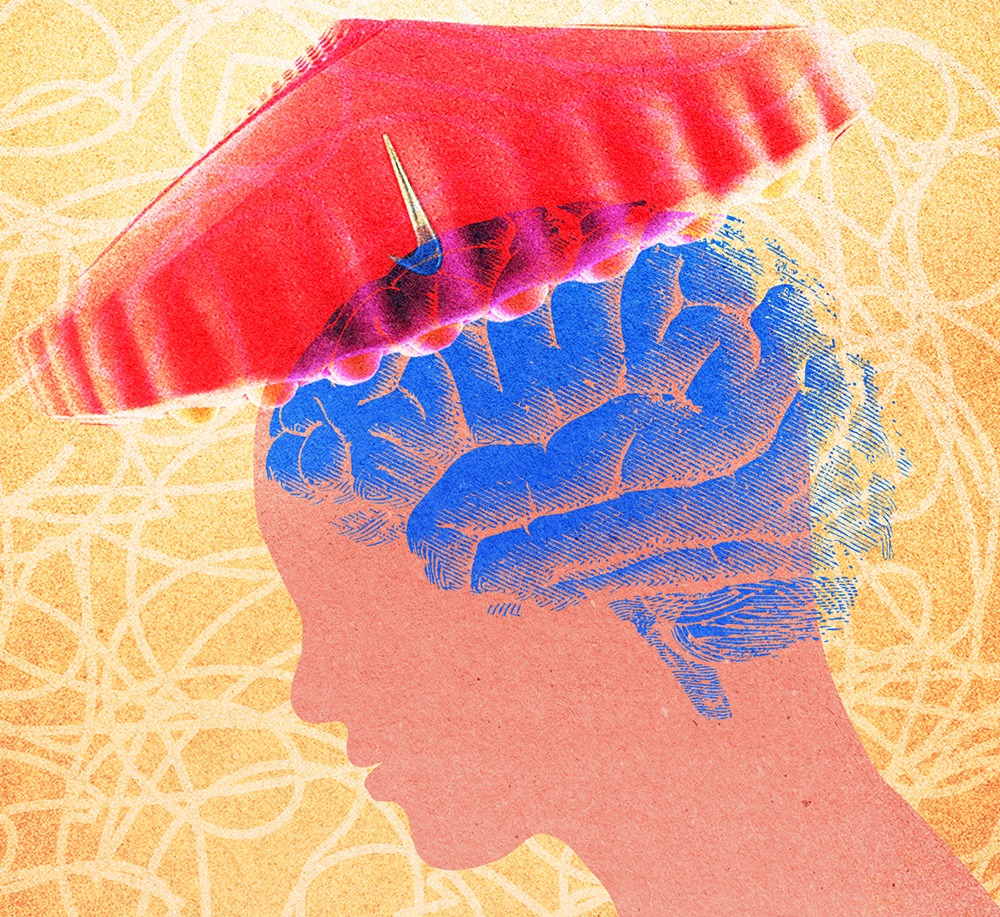
Can a sneaker truly alter your mindset?
Nike thinks so.
And when the company introduced the Mind platform last October, it didn’t just roll out another tech‑forward shoe — it pitched a neuroscience‑informed tool meant to help athletes get mentally locked in.
“A lot of mental preparation involves getting out of your head and into your body,” Graeme Moffat, PhD, a principal researcher at Nike’s Sport Research Lab, told me. “If you’ve ever done mindfulness meditation, you’ve probably heard cues like ‘feel the ground beneath your feet.’ Sensory focus is one of the fastest ways to reach a present‑moment state.”
That idea sits at the core of the Nike Mind 001 and 002. Built on more than a decade of development, they’re the first products from Nike’s new Mind Science Department—essentially a brain‑research arm of the company focused on how products might influence the mind-body connection and performance.
“Getting out of your head and into the present moment is valuable for everyone, not just elite athletes,” Moffat said. “Sensory engagement is a universal tool.”
Bold claims for a sneaker. So I tested them.
The Science
The Mind platform has some lineage. Nike Free—the minimalist line of shoes designed to mimic barefoot running—prioritized natural foot motion. Nike Mind takes a different angle: instead of letting you feel the ground, it tries to heighten that sensation.
There’s real science supporting that approach. Research suggests that richer sensory input from the feet can improve focus and help the brain shift into a more present state. It’s the same principle behind reflexology, which targets pressure points to trigger relaxation or stress relief.
A 2024 National Library of Medicine study, for example, found that barefoot walking boosts cognitive speed and concentration while reducing brain stress—likely thanks to the 200,000 nerve endings in each foot sending a flood of signals upstairs.
Moffat says that when those sensory pathways light up, two things tend to follow: better movement and clearer mental focus.
“Nike Mind isn’t about making the foot work harder — it’s about helping it feel more,” he explained.
To test that, Nike outfitted pro athletes like Erling Haaland and A’Ja Wilson with prototypes and tracked their brain activity through electroencephalogram (EEG), which measures electrical function using sensors.
According to the company, Mind shoes generate more activity in the sensory‑motor rhythm of the cortex than standard footwear built with the same foam and stack height. In plain English: athletes’ brains appeared more engaged and less noisy.
How Does Nike Mind Work?
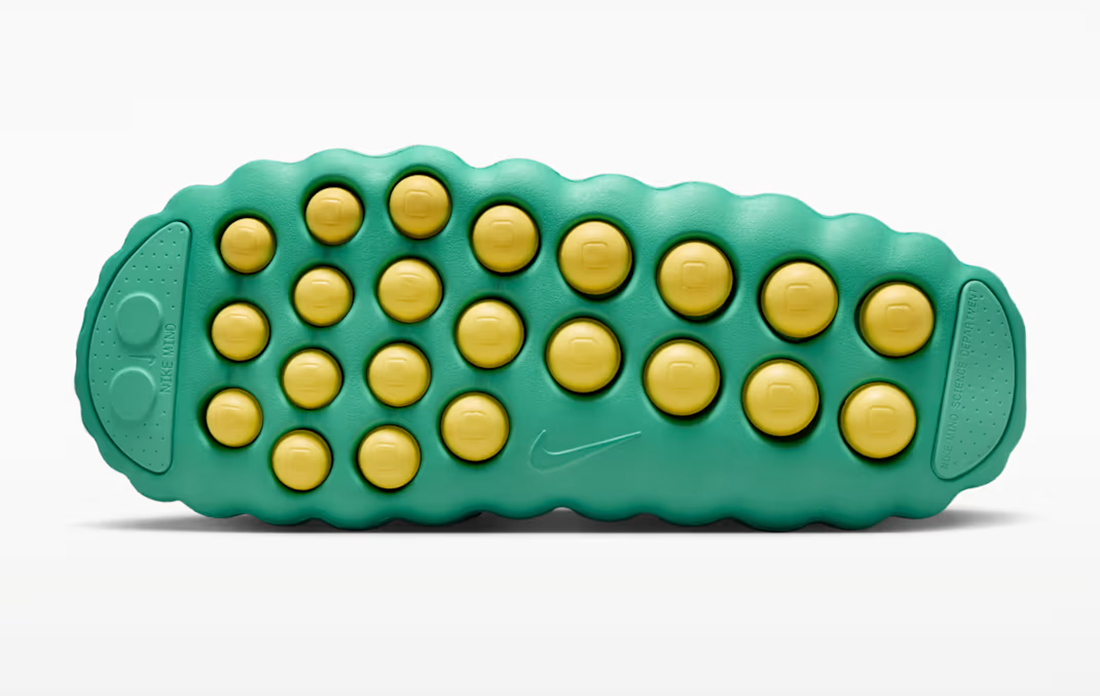
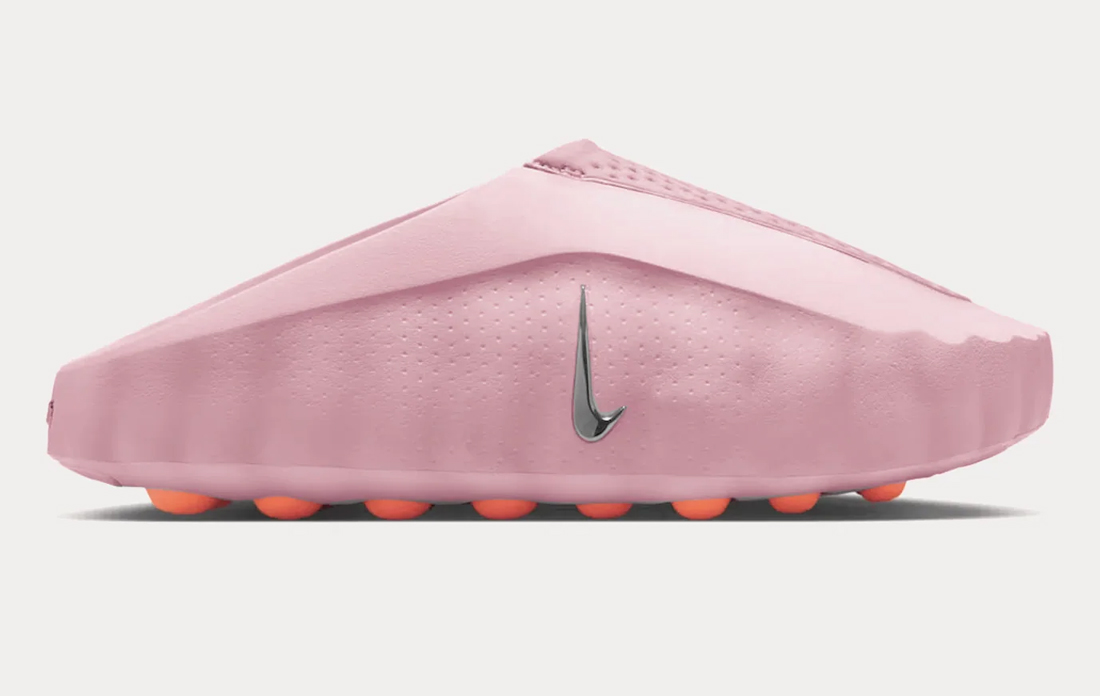
Inside each Mind shoe are 22 raised sensory nodes embedded in the footbed. They’re firm, slightly elevated and designed to press gently into the bottom of the foot with each step. By stimulating more receptors, you’ll spark more awareness.
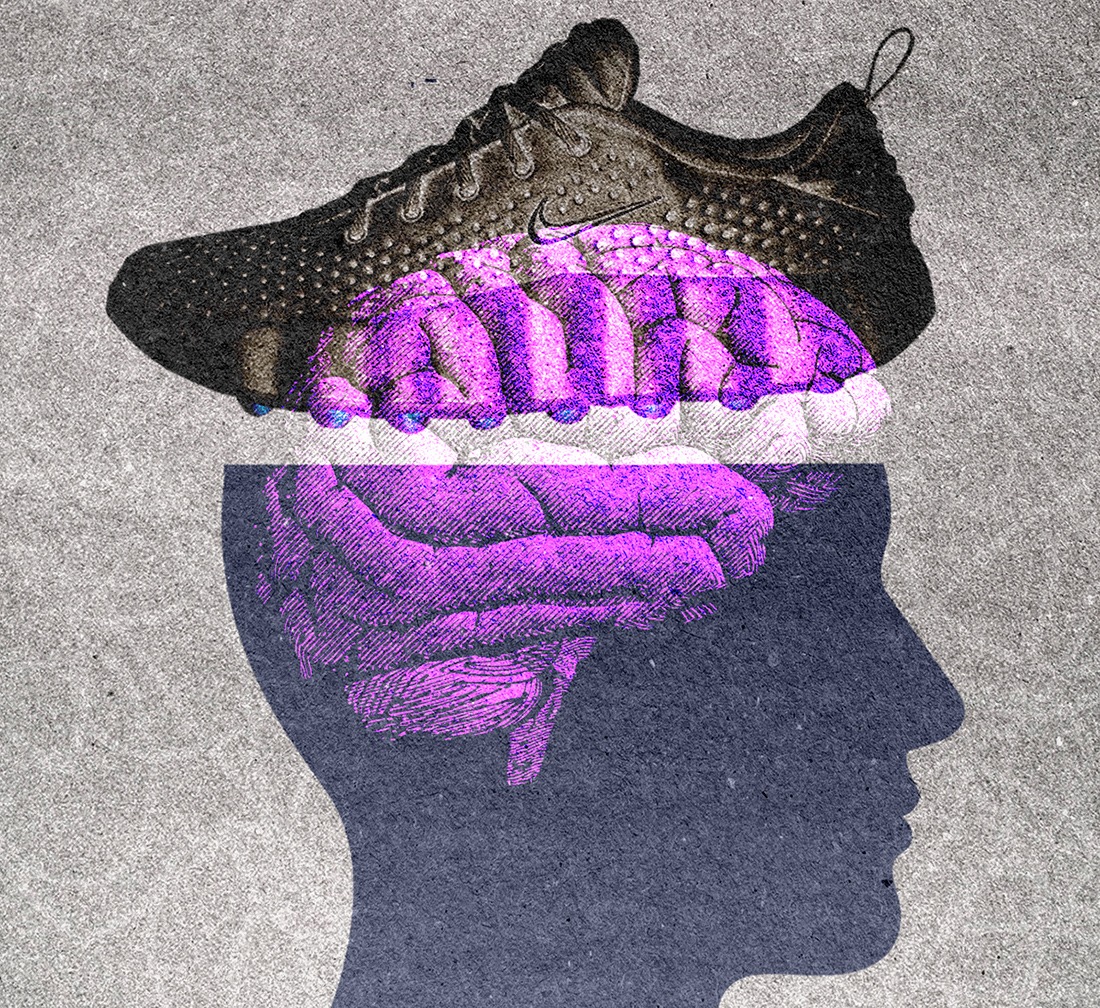
Put simply: the shoes are trying to wake up your brain through your feet.
Putting Nike Mind to the Test
I’m not an elite athlete. I run a few times a week, strength train, and juggle the demands of a corporate creative job. My “competition” takes place in meetings, on virtual calls and quiet mental chess of office life. Focus is still part of my performance — and often the hardest part.
To see what the Mind 001 could really do, I wore them during:
・ Two-mile pre‑work and pre‑workout walks
・ Several six‑hour-plus stretches early on
・ Errands, commutes, and general life moving-around
The first sensation is… unique. Not painful, not soft — just constantly there. The nodes create a low-level massaging or pressure effect that becomes more noticeable over time.
It’s not exactly barefoot walking, but it does make the ground feel more alive. And mentally, that sensation did pull me out of my head and forced me to pay attention to my feet. I could feel every surface change—down to salt crystals left behind after a snowstorm. Think pin‑art toys or a lightly knobbed recovery mat. For me, anything over one to two hours tipped into soreness.
But I think that’s part of the point. The shoes demand attention. They interrupt spiraling thoughts because the sensation is simply too present to ignore.
I usually spend my post‑work walk replaying the day like a highlight reel of things I could’ve done differently. In the Mind 001, that mental loop didn’t run as loudly. I felt more tethered to what was happening right in front of me. On stressful days, I even found myself seeking them out for a quick walking‑pad reset.
Before workouts, the difference was less noticeable — mostly because exercise already serves as my mental pressure valve. But afterward, the shoes were surprisingly great for recovery, especially after long runs in the double digits.
The Verdict
Did I feel more present in the Nike Mind? Yes.
Did I have more ideas or clearer thoughts? Also yes.
Is this going to work the same for everyone? Probably not.
For me, the mind‑to‑muscle connection felt sharper. Movements felt more intentional. But here’s the twist: I also meditate, get decent sleep, and use focus playlists when I need to. Was the clarity because of the shoes — or the rest of my routine? Hard to say.
A few things are clear:
・ Nike Mind isn’t a panacea for a scattered brain.
・ It won’t raise your IQ.
・ And a lot of the effect depends on the wearer.
What it might offer is a simple, sensory cue and a nudge back into your body when your mind starts drifting. And honestly? Even if part of the effect is placebo, it still counts. The mind plays a role in performance too.
If it works, does it matter why?