The current efforts to stop the most elite doping offenders in sports have “stalled,” according to Athletics Integrity Unit chair David Howman.
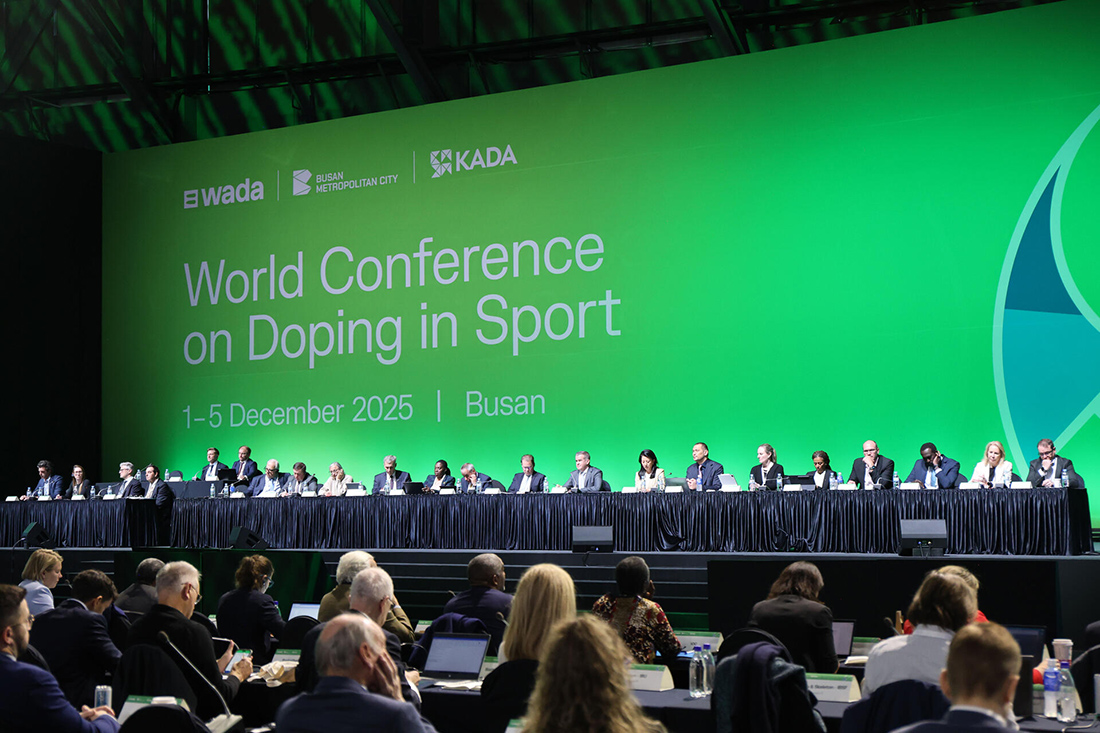
In remarks delivered to the World Conference on Doping in Sport last week in Busan, Korea, Howman was clear that sophisticated doping systems are outpacing known methods of detecting who is cheating.
“Our ineffectiveness in dealing with those who are beating the rules is hurting the anti-doping movement’s credibility, with the resulting risk that our clean-sport message falls on deaf ears,” he said.
Howman, who was director general of the World Anti-Doping Agency for 13 years before become AIU chair, said that despite his organization’s efficient track record at identifying cases where doping rules are being broken, the system of prosecuting offenders is “not catching enough of them and significant improvements are necessary”.
“A renewed focus on scientific research with closer alignment between WADA and cutting-edge ADOs on research priorities and opportunities would be beneficial,” Howman said. “The International Standards might be better scrutinized regularly to ensure they fully support investigative efforts to uncover doping.”
Howman suggested that more emphasis on science would keep the anti-doping establishment on pace to detect doping schemes that exist — and evolve — beyond current testing methods.
“A second step would be to ensure all ADOs are properly motivated to pursue anti-doping excellence,” Howman said. “It is too easy for an ADO to undertake compliance -based testing without any probability of catching sophisticated dopers. We suggest more transparency on anti-doping data will help and WADA can be proactive in promoting the pursuit of excellence in anti-doping – not just compliance.”
Still, the doping cases that the AIU has used its jurisdiction over has increased and by the end of 2024, the agency handled 100 cases with 44 resulting in violations — and 36 pending entering 2025. The AIU presided over cases that involved actual use of banned substances, whereabouts violations, tampering and testing evasion.
But it has also signaled the emergence of high profile cases in the sport, like women’s marathon world record holder Ruth Chepngetich’s ban for three years in October when a drug sample showed evidence a masking agent.
Two-time world champion Mo Katir spent a large portion of the year trying to get a four-year ban overturned after missing drug tests and evidence of tampering showing that he tried to falsify travel documents to cover up his whereabouts violation.
Still, reform and advancement in the anti-doping space will require increased allegiance from numerous member nations and governing bodies like WADA and the United States Anti-Doping Agency, which continue to have strained relations over 23 Chinese swimmers who were allowed to compete in the 2020 Tokyo Olympics.
The U.S. government responded by refusing to pay member dues to WADA despite the funds making up a notable portion of the agency’s operating budget. WADA has also pressed USADA to take more of an active role in preventing the pro-doping Enhanced Games from taking place next May in Las Vegas.