The ongoing push toward establishing reform in college sports regarding eligibility, how athletes are paid and transfer rules could see added traction this week as a bipartisan bill that has support from the White House is set to be unveiled, according to published reports.
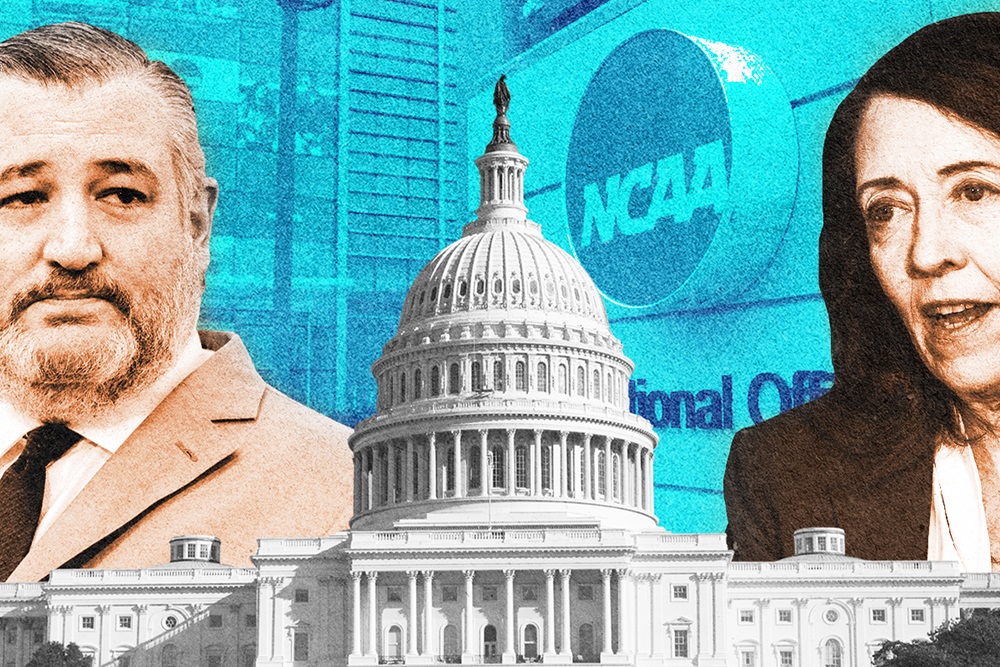
The Senate bill, co-authored by Republican Ted Cruz and Democrat Maria Cantwell is seen as the first time in years when Congress and the White House appear to be aligned on a similar vision for NCAA guidelines, based on an article from CBS Sports on Friday.
Stakeholders in Congress were sent a memo last week encouraging support for the bill, which they hope will gain traction and be signed in August before summer recess.
A joint bill would likely sidestep the SCORE Act, or H.R. 4312, which was introduced last year by Congressman Gus Bilirakis to built a single standard for NIL (Name, Image, and Likeness) and all collegiate athletic associations.
But movement on SCORE has floundered and faced pushback on several issues after labor organizations blasted the proposal from preventing college athletes to be classified as employees, seeking to roll back state-level protections, prioritizing football and men’s basketball while women’s sports lagged and boost already powerful conferences. And some lawmakers criticized SCORE for now curtailing the NCAA’s grip on regulating college sports.
Last month President Donald Trump issued an executive order limiting NCAA athletes at five years of eligibility with one transfer — and set an August mandate for the changes.
His move came after hosting the March “Saving College Sports” at the White House fielded around 50 of the most powerful figures in sports to discuss reform at all levels of college competition. The roundtable addressed a streamlined path to build ordinance within the current NIL system, reigning in the unrestricted transfer portal protocol and stabilizing eligibility rules.
Trump’s executive order also seeks to preventing schools from eliminating scholarships, ensuring medical care for athletes, find a revenue sharing model that creates opportunities in women’s and Olympic sports. It also looks to end “pay-for-play agreements” that divert highly sought after athletes to school with extremely high resources.
The move in April was his second action directed at college sports.
Last July, a similar order was signed by Trump that aimed to protect opportunities at the collegiate level, limit when athletes could turn professional, preserve scholarships based on the revenue of each institution and look into payments from boosters that are presented under the context of endorsement deals.
A definitive bipartisan stance on college sports could push the bill far beyond either of Trump’s executive orders, which conflict with multiple individual state laws that already address specific NCAA-related guidelines. Since late March, over 50 of his second-term executive orders have either been overturned, temporarily blocked by federal courts and faced lawsuits.