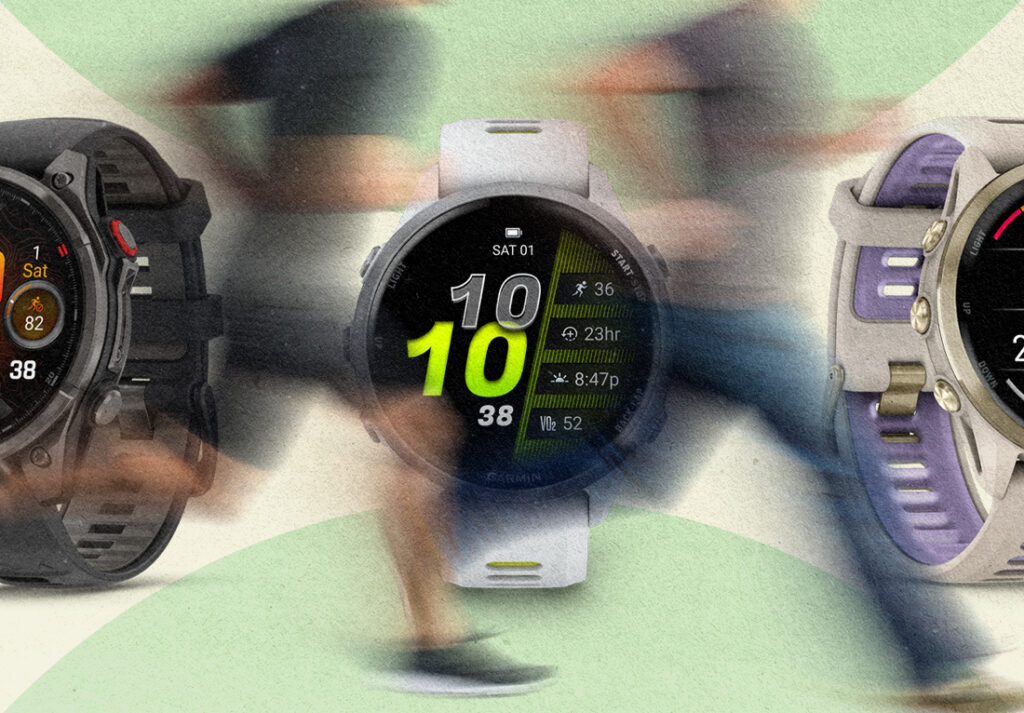
Garmin released its Year in Review data insights report that took a deep dive into the user trends on its platform in 2025, and running continues its reign while racket sports is an unstoppable riser among its customers.
From music to fitness, companies like Strava and Spotify cultivating massive digital footprints are giving detailed looks at the past 12 months in one last glance before the cycle resets in January.
For Garmin, running continues to rule as it tops the list of activities for another year. Users on the Garmin Connect platform synced 8 percent more activities compared to last year. And next to running, walking, cycling, strength training and indoor cardio round out the top five workouts.
And while some activities remain constant standout, others are quickly rising up the Garmin ecosystem with a changing demographic treating their interest in couple of sports as more than just a hobby.
• Strength training soared 29 percent in the last year and the fourth straight year that the activity has increased more than 20 percent. Women did 6 percent more strength training than men in 2025.
• Outdoor running saw a 6 percent jump and with running as a category (which includes indoor running) remaining the top dog in the Garmin world. Indoor running pushed to 16 percent with women doing 16 percent more indoor runs while men went on 21 percent more outdoor runs between the two groups.
• Hiking rose 12 percent as users on the platform are finding their way to the trails more often.
• Racket sports took a major leap with a 67 percent increase with the rise of the pickleball craze but tennis, badminton, table tennis and racquetball all contributed to this notable rise in just a year. Women and the 18-to-29 year-old segment were key in drove this boost.
• Pilates (46 percent) and high-intensity interval training (45 percent) grew at similar paces in 2025 with both figures showing that users are continuing the make the effort to sign up for classes and repeat these activities with consistency.
Meanwhile Garmin user are taking their time in workouts, averaging 55 minutes per activity with running leading the way. Just over 25 percent of runs logged were 30-45 minutes, with walkers recording 15-30 minute sessions. Cyclists hit the pedals and stayed on them with almost 50 percent of rides lasting an hour or more.
And among all activities, age demographic and preference showed vast differences in what Garmin users were forced on after they synced their devices.
• 18–29 led the way by far with the most outdoor and track running workouts.
• 30–39 found their way to the gym and was locked in on strength training, indoor cardio and hitting the treadmill.
• 40–49 were trail running more than any other group
• 50–59 stayed active across several sports and led the pack for the indoor cycling, lap swimming and mountain biking categories
• 60–69 did mroe outdoor cycling, walking and hiking than any other demographic.
• 70+ spent the most time golfing.
Garmin uses were on their feet a lot in 2025 and took 1.2 percent more step than they did last year with 50 percent logging more than 8,000 daily steps. A notable 28 percent took more than 10,000 steps per day while an ultra exclusive group — just 0.4 percent — took a staggering more than 20,000 steps daily.
A trio of Asian regions grabbed three of the top five slots for daily steps, with Hong Kong (10,663) leading for the second straight year, South Korea (9,969), Spain (9,937), China (9,794) and Ireland (9,735) taking honors.
The Body Battery metric is Garmin’s own formula that measures how much energy users are burning in the course of a day. Garmin’s younger users had big higher and lows, and they expended more energy throughout the day than their older counterparts.
The average energy peak for the 18-24 group was around 75 with an average low just under 20. The 60-69 year-old group, peaked at an average around 65 and the average low was just over 20.
Globally, Portugal topped the Body Battery podium and held the highest average peak at 75 while Japan was the least refreshed with a low average peak at 65. In South Africa users were efficient in not ending the day completely drained and had the highest average low point at 24. Kazakhstan held the lowest average at 14 and the least energy conserved.
Chinese Garmin users burned the most daily energy with the highest average drain and South Africa had the lowest average drain.