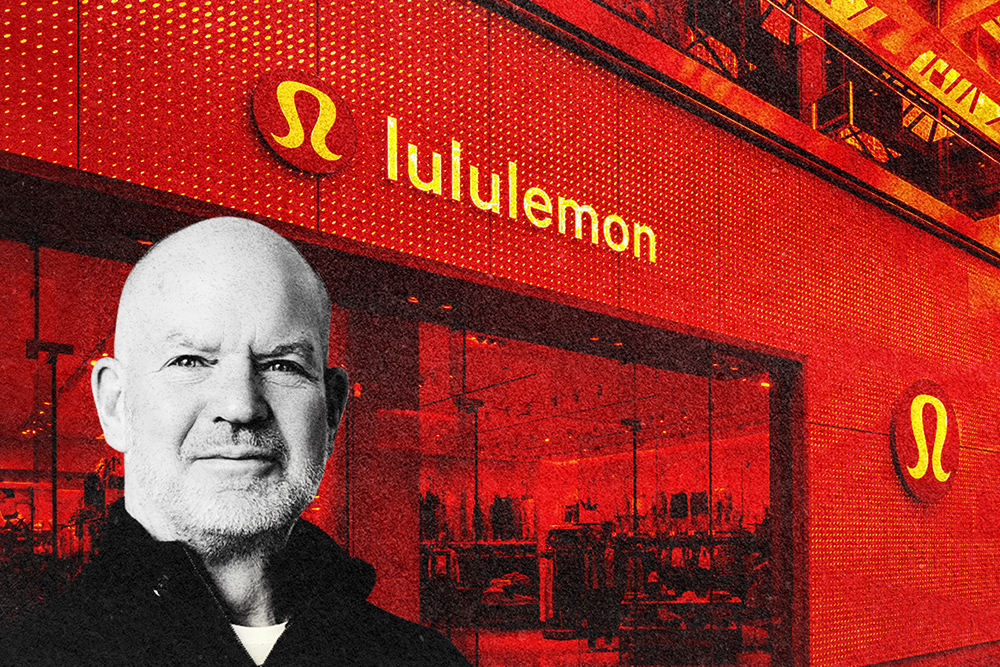
The war of words between Lululemon and its founder Chip Wilson has come to an end after both sides agreed to a truce on Wednesday that will stop a public battle that ultimately triggered a proxy fight.
Lululemon announced on Wednesday that under its “cooperation agreement” with Wilson, two of his nominees will join the company’s board, with former On co-CEO Marc Maurer and former ESPN chief marketing officer Laura Gentile gaining seats.
“On behalf of the Board, we are pleased to reach this agreement with Chip Wilson, which allows Lululemon to focus on continuing to strengthen its performance,” executive chair for Lululemon Marti Morfitt said. “We valued the opportunity to meet with Laura, Marc and Eric Hirshberg through this process, and believe each offers unique skills and experiences that could be valuable to a board. We look forward to welcoming Laura and Marc, who will bring additional perspective to our existing group of qualified directors.”
Meanwhile, Wilson has agreed to not criticize the company publicly for around 18 months and Lululemon said it would appoint an additional director with product expertise in apparel to the board by October 1. He will also gain access to incoming chief executive Heidi O’Neill who formally takes on the role in September.
“The Board additions Lululemon announced today and strategic changes already made by the team reflect meaningful progress toward restoring the company’s product-first vision and unlocking tremendous value for shareholders,” Wilson said. “I would like to thank Laura, Marc, and Eric for their willingness to stand for election as directors. I’m confident Laura and Marc will add value to Lululemon’s Board and Eric will continue to make meaningful impact in the challenges he takes on in the future.”
As its largest shareholder, Wilson owns around 8.7 percent of Lululemon and has been vocal about his displeasure about the direction of the brand he founded in 1998. The company defined the athleisurewear segment and was anchored by robust sales of its signature leggings and other apparel pieces.
But Lululemon has struggled in recent years and sales slumped against younger and popular brands like Alo and Vuori. By last December, its stock price dipped nearly 50 percent over the year and Calvin McDonald announced he would step down as CEO by the end of January.
On December 30, Wilson’s proxy battle increased when he nominated three candidates in a bid to overhaul the board and appealed to shareholders directly after taking out a full-page advertisement in the The Wall Street Journal, titled “lululemon: in a Nosedive.” just two months earlier.
“Lululemon forgot its muse: the woman who inspires culture, not just follows it. By drifting toward the mainstream, and trying to appease everyone, lululemon lost 50% of its market cap earned from ‘brand power’. It lost its edge and with it, the ability to hire the best people,” Wilson said in the advertisement.
Wilson hoped to have influence on the future leadership of the brand despite retiring as chief innovation and branding officer in 2013 and stepping down from the board. And making public criticisms was his means of trying to impact the company as its stock price continued to slide.
But now with both sides at a stalemate, the attention could not turn to Lululemon’s ongoing turnaround efforts. In its fourth quarter earnings in March, the company provided a weaker outlook for fiscal year 2026 but on the news of the agreement on Wednesday, its stock rose 4 percent in premarket activity while still being down nearly 40 percent over the same point last year.